

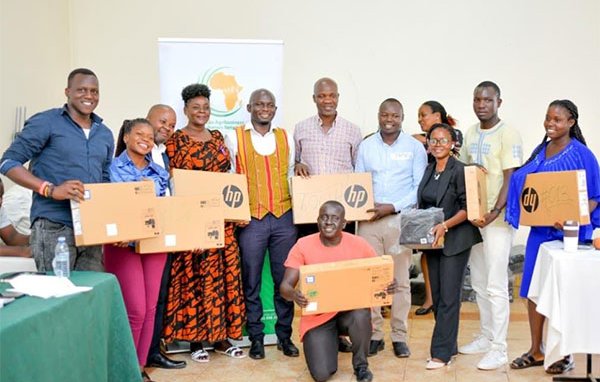
As Uganda grapples with persistent youth unemployment, the African Agribusiness Incubators Network (AAIN) is championing a strategic shift in how entrepreneurship support is delivered, arguing that weak incubation systems not lack of ideas are a major barrier to scalable enterprise growth. AAIN, a pan‑African network headquartered in Accra, Ghana, has introduced the Business Incubation Management (BIM) Executive Accreditation Course to professionalise incubator operations and improve the commercial prospects of start‑ups across the continent.
The 12‑week blended programme targets policymakers, incubator managers, training institutions, and enterprise support organisations, equipping them with tools to design and refine incubation systems that align with global best practices. By focusing on governance, investor readiness, and continuous improvement, AAIN aims to reduce high business failure rates and strengthen the ecosystem that nurtures early‑stage ventures.
For Uganda, effective incubators are seen as crucial deal pipelines for young entrepreneurs, particularly in agribusiness, manufacturing, creative industries, and services sectors where youth‑led enterprises have strong potential for growth. Yet inconsistent quality and limited market orientation have historically undermined their impact. AAIN’s model seeks to address these gaps, boosting start‑up resilience and linking ventures more effectively with finance providers and markets.
The BIM initiative is being implemented under the Sustainable Inclusive Youth Employment Pathways (SIYEP) programme, a five‑year initiative funded by the Mastercard Foundation. SIYEP aims to transition 258,000 young women aged 15–35 into dignified and fulfilling economic activity, with the incubation model focused on strengthening 25 anchor incubators and their partners to support 25,000 rural young women including refugees and persons with disabilities through training, mentorship, financial literacy, and market integration.
AAIN officials emphasise that successful incubation must go beyond basic business support to include aggregation of production, improved bargaining power, and stronger links to finance, so start‑ups can survive and grow. Partnerships with financial institutions are being forged to improve access to credit by enhancing governance and cash‑flow management in incubated enterprises.
Participants in the programme have noted its timely relevance, especially for disadvantaged young women facing economic pressures in refugee‑hosting regions. By professionalising incubation and expanding support to both agribusiness and non‑farm sectors, AAIN envisions building a pipeline of viable small and medium‑sized enterprises that can absorb labour, generate income, and contribute to broader economic transformation.
In strengthening incubation capacity and fostering stronger market connections, AAIN’s efforts have the potential to unlock scalable youth enterprise growth in Uganda a necessary step toward addressing unemployment and creating a more inclusive and resilient economy.