

From Nairobi and Kampala to Accra and Maputo, Africa’s capital cities have seen young people taking to the streets, demanding change. Over the past year, youth across the continent have protested corruption, widespread unemployment, rising living costs, food insecurity, and an uncertain future.
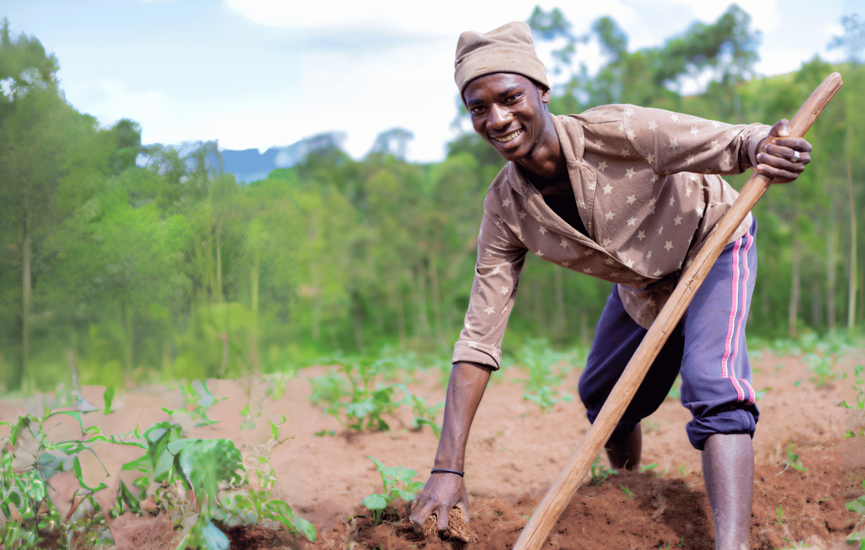
Africa’s youth are energetic, educated, and frustrated. They seek respect, opportunities, and decent, dignified employment. Addressing their aspirations requires accelerated, climate-smart economic and social transformation. Agriculture, one of humanity’s oldest industries, offers enormous potential for Gen-Z Africans with the right investments and structural improvements.
Sub-Saharan Africa has the world’s youngest and fastest-growing population, with 70% under the age of 30. Yet youth unemployment remains the highest globally, with over a fifth not in work, education, or training. Many young people work in agriculture and food systems, but often in informal, undervalued, and underpaid roles. Young women face particularly severe barriers, including limited access to land, finance, training, and mentorship.
Youth also struggle to access essential resources such as food. According to the UN’s 2025 State of Food Security and Nutrition report, younger populations are disproportionately affected by inflation and nutrition insecurity, intensifying the cost-of-living crisis. These pressures have contributed to protests across the continent, from Nigeria’s #EndBadGovernance rallies to Kenya’s marches for economic change.
Despite these challenges, Africa’s agrifood sector offers significant opportunities. Livestock and poultry farming can provide income through animal rearing, feed production, processing, and marketing. In Kenya, youth account for 16–32% of workers in poultry value chains, while in Tanzania, young women are building thriving businesses as farmers, vendors, and brooders. In Nigeria, livestock-focused agribusiness programs have increased participants’ incomes by over 50% and improved household food security by 75%.
Emerging opportunities also exist in food processing, projected to grow Africa’s food and beverage market to USD 1 trillion by 2030. Digitisation is creating roles for the next generation of digital natives, with drones, AI, and other technologies enabling meaningful livelihoods. Platforms like Hello Tractor in Africa improve access to machinery, while digital agronomy tools such as RiceAdvice help smallholder farmers increase yields, hire smartphone-literate youth, and boost profitability.
However, 53 million African youth remain unemployed. To scale agricultural opportunities, systemic change is needed. Youth-focused policies must increase access to land, finance, training, and technology, and attract young talent to rural economies. Governments should invest in mentorship, innovation, research, and infrastructure—from markets to transport to veterinary services.
Africa’s youthful population is its greatest asset—but if neglected, it poses risks to stability. Leaders at the 2025 Africa Food Systems Forum have the opportunity to link food security with national security. Managing food-price inflation and providing dignified livelihoods are essential for peace and prosperity.
Feeding Africa’s youth through agriculture is not only a path to employment—it is a path to feeding the continent’s future.