

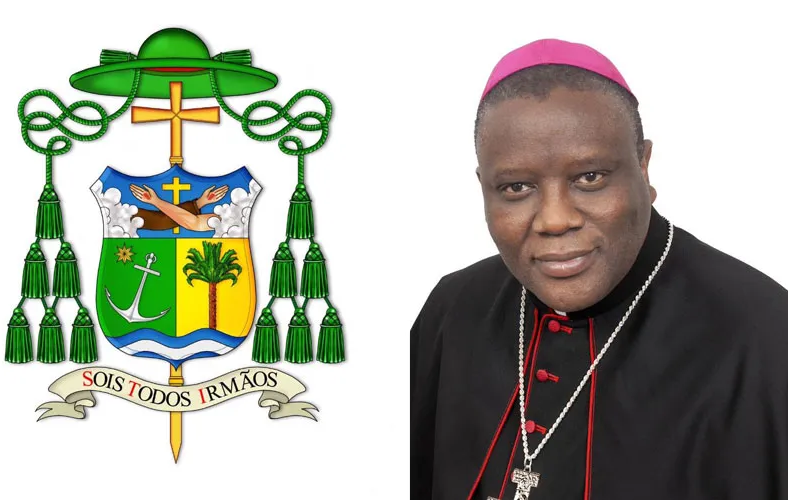
In a powerful call for unity, a Catholic bishop in Guinea-Bissau has urged citizens to embrace fraternity as a guiding principle in the face of the country’s deepening social and political challenges. Speaking during a recent religious gathering, the bishop emphasized that genuine progress cannot be achieved through division, hostility, or exclusion. Instead, he called for a renewed commitment to mutual respect, solidarity, and shared responsibility, framing fraternity not only as a spiritual value but as a vital civic force capable of healing the nation’s wounds.
Guinea-Bissau has long grappled with political instability, economic hardship, and social fragmentation, leaving many citizens disillusioned and communities fractured. Against this backdrop, the bishop’s message resonated as both a moral appeal and a practical roadmap for national renewal. He urged political leaders to prioritize dialogue over confrontation and to recognize the inherent dignity of every individual, regardless of ethnicity, religion, or social status. His words carried particular weight in a country where mistrust and polarization have often undermined efforts at reform and reconciliation.
The bishop’s call for fraternity reflects the Church’s broader role as a stabilizing force in Guinea-Bissau’s public life. By invoking the language of compassion and shared humanity, he sought to inspire a collective awakening, one that transcends political affiliations and personal grievances. His appeal was not limited to the corridors of power but extended to families, communities, and civil society, encouraging all citizens to become agents of peace and understanding. In a time of uncertainty, his voice offered clarity and hope, reminding the nation that the path to justice and development begins with the simple yet profound act of embracing one another as brothers and sisters.