

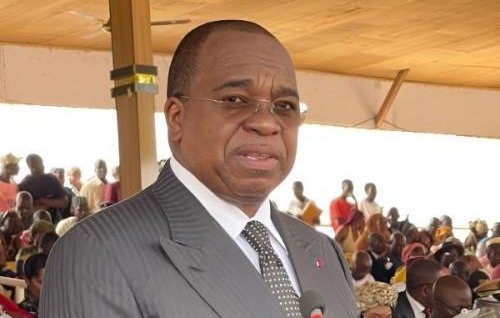
Cameroon has taken a major financial step, authorizing its finance minister to raise up to $1.67 billion through domestic and international borrowing to fund development projects and settle government arrears. The presidential decree, announced on August 19, outlines a mix of funding sources, including 350 billion CFA francs from domestic treasury bonds, 250 billion CFA francs from domestic private lenders, and 330 billion CFA francs from international banking institutions.
The move comes amid delays in revenue collection and slow disbursement of external financing, particularly in non-oil taxes. Officials say the borrowing demonstrates market confidence, boosts liquidity, and ensures debt remains within the Central African Economic and Monetary Community (CEMAC) limits, reinforcing Cameroon’s commitment to macroeconomic stability and ongoing structural reforms.
As Central Africa’s largest economy, Cameroon relies heavily on oil, cocoa, and timber. Recently, the country has increasingly turned to borrowing to cover budget shortfalls and invest in infrastructure. While the International Monetary Fund notes that Cameroon's debt is still sustainable, it has flagged the country as at high risk of debt distress. Public debt currently stands at 43% of GDP, well below the 70% CEMAC threshold.
Economists, however, caution that the effectiveness of these funds depends on strategic allocation. Analysts note that a significant portion of previous borrowings has remained idle, highlighting potential governance and planning challenges. The government has yet to disclose which specific projects will benefit from the new funding.
With this $1.6 billion boost, Cameroon aims to accelerate development initiatives and strengthen its financial stability. The key challenge remains ensuring the borrowed funds are deployed efficiently to generate tangible economic growth and long-term benefits for the population.
This development underscores the importance of sound fiscal management and transparency as Cameroon navigates economic pressures while pursuing ambitious infrastructure and development goals.