

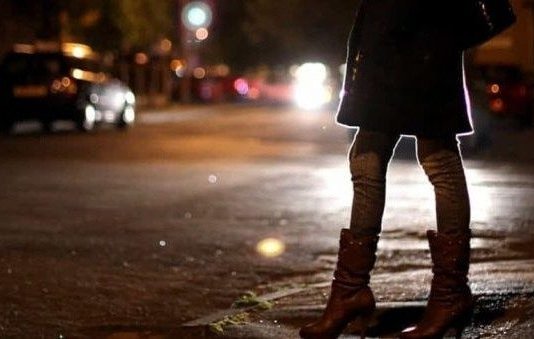
In South Africa, a growing number of Christian ministries are quietly transforming lives by helping women exit prostitution and reclaim their dignity. These faith-based organizations, such as Straatwerk in Cape Town and Woven in Potchefstroom, offer more than just spiritual guidance, they provide emotional support, practical resources, and a pathway to healing for women trapped in cycles of poverty, addiction, and exploitation. Their work is rooted in compassion and a belief in restoration, often reaching out to women directly on the streets, in brothels, or through community networks.
One powerful testimony comes from a woman known as Lady A, who spent ten years in prostitution before encountering Straatwerk’s outreach team. She describes how drug use became a coping mechanism to numb the emotional toll of her work, and how fear of being recognized haunted her every day. Her story is not unique. Many women who turn to prostitution do so out of desperation, often driven by economic hardship, abuse, or lack of opportunity. Ministries like Straatwerk and Woven aim to break this cycle by offering counseling, safe housing, vocational training, and a supportive community rooted in faith.
These efforts unfold against a complex backdrop, as South Africa debates the decriminalization of prostitution. While some argue that legal reform could improve safety and rights for sex workers, others worry it may normalize exploitation and make it harder for women to leave the industry. Christian ministries find themselves navigating this tension, advocating for policies that protect vulnerable women while continuing their grassroots work of rescue and rehabilitation. Their approach is deeply personal, often involving long-term relationships and a commitment to walk alongside women through the difficult process of rebuilding their lives.
The impact of these ministries is profound, though often underreported. Women who once felt invisible and discarded are rediscovering their worth, finding purpose, and reconnecting with their families and communities. Through faith, mentorship, and practical support, these organizations are not only changing individual lives, they are challenging societal perceptions and offering a powerful alternative to despair. In a country grappling with inequality and social fragmentation, their work stands as a quiet but resolute force for hope and transformation.