

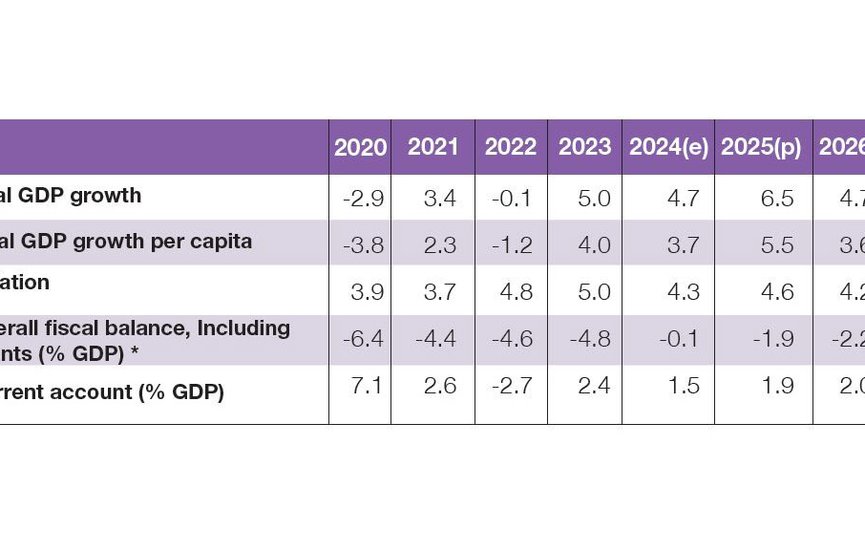
The Kingdom of Eswatini is entering a phase of renewed economic optimism as the International Monetary Fund (IMF) projects real GDP growth to accelerate to 4.6% in 2026. This surge is primarily driven by an aggressive shift from policy planning to the execution of massive, domestically funded public and private capital projects. Key sectors such as construction, logistics, and manufacturing are expected to benefit from the spillover effects of this investment-led momentum, positioning the nation as a regional leader in economic resilience.
A key factor driving this growth is the government's commitment to achieving energy independence and security. Major initiatives, such as the Strategic Oil Reserve Project and various investments in biomass and solar energy, are now entering the implementation phase. These projects aim to reduce Eswatini's 70-80% dependence on imported electricity from South Africa and Mozambique, helping to protect the local economy from external price fluctuations and regional supply disruptions.
While the IMF observes that global growth is increasingly shaped by technology and artificial intelligence, Eswatini’s localized growth is primarily grounded in structural reforms and infrastructure development. Economists suggest that although this investment momentum may slow in the coming years, 2026 is likely to be characterized by a "construction-first" economy. This shift is expected to stabilize domestic demand and provide the high-voltage power capacity necessary to enhance Eswatini's industrial output.