

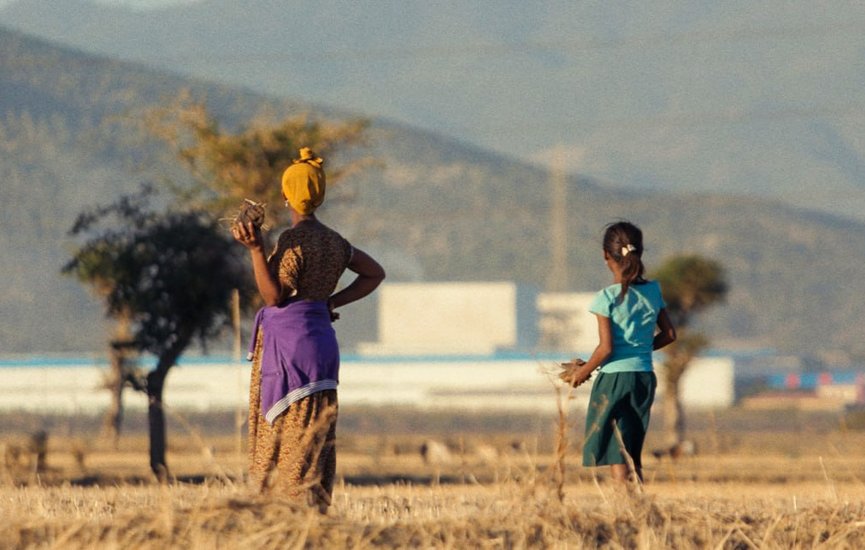
Ethiopia’s rapid industrial rise, powered by China-backed factories and infrastructure, is reshaping lives in ways that raw statistics can’t capture. A new documentary goes beyond the numbers, spotlighting the human faces behind the nation’s economic boom showing both the opportunities and challenges communities face amid the country’s ambitious industrial push.
Chinese investment is transforming Africa, but the human cost often goes unseen. In Ethiopia, the Eastern Industrial Zone built and run by Chinese firms has replaced sprawling tomato fields in Oromia with chimneys that pierce the sky, signaling rapid industrial growth. Yet beyond the headlines and GDP figures, life for those living in the shadow of this transformation is complex, challenging, and deeply human.
Made in Ethiopia, a documentary filmed over four years, captures this story through the eyes of three women: a farmer losing her land, a factory worker clinging to fragile hopes, and a Chinese manager navigating a foreign environment. Their lives reveal the personal impact of industrialization, offering a perspective rarely found in policy reports or news coverage.
“This is a story about complexity, lives lived in the shadows of big headlines,” says producer Tamara Mariam Dawit.
The Eastern Industrial Zone, located 40 kilometres south of Addis Ababa, serves as a blueprint for Ethiopia’s industrial ambitions. With more than 60% of operational foreign-owned factories in Ethiopia being Chinese-owned, the nation has gained tens of thousands of jobs but not without tensions over labor conditions, land acquisition, and the social cost of rapid development.
Through intimate storytelling, viewers witness Workinesh grappling with the loss of her farmland, Beti striving to achieve her dreams amid grueling factory work, and Motto confronting the challenges of managing production in a country not her own. The documentary avoids casting heroes or villains, instead portraying the nuanced realities of industrial growth.
The filmmakers’ approach emphasizes patience, collaboration, and empathy. Directors Max Duncan and Zhang Zhenyan spent months embedded in Dukem, living alongside communities to capture the subtle emotional and social shifts that statistics alone cannot convey.
While Ethiopia’s industrial expansion has been lauded for creating jobs and diversifying the economy, Made in Ethiopia focuses on the lived experience, asking how ordinary people navigate extraordinary change. Its lessons resonate across Africa, from Nigeria’s Lekki Free Trade Zone to Kenya’s Standard Gauge Railway, where Chinese investment is similarly reshaping communities.
The team also prioritized ethical storytelling, supporting participants like Roba, a child in the film, while ensuring screenings in universities and local spaces spark discussion rather than passive viewing.
“Development isn’t a straight line,” reflects Tamara. “It’s felt in bodies, in relationships, in everyday decisions. That’s what we wanted to show.”
The documentary signals a shift in African storytelling centering local experiences, emphasizing accountability, and prioritizing nuance. Made in Ethiopia reminds audiences that industrialization isn’t just about factories or foreign investment; it’s about people navigating change, building lives, and shaping futures in real time.