

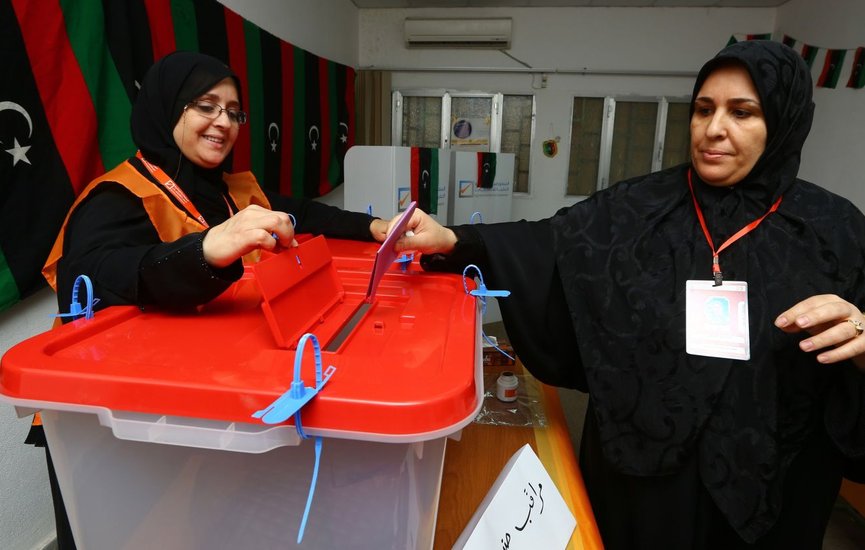
Libyans in seven municipalities in the north-western region were finally able to vote on Saturday, after delays due to security concerns following an attack on an electoral commission facility.
The affected municipalities were Zawiya Markaz, Zawiya Wassat, Zawya Gharb, Zawya Chamal, Sabrata, Sormane, and Bir Ghnam.
While the first phase of voting covered 58 municipalities last November and the second phase included 26 councils earlier this month, not all areas were able to vote. Despite this, the elections are seen as a key step in revitalizing local governance.
Libya remains divided between two rival administrations: one led by Abdul Hamid Dbeibeh in Tripoli, which controls the western part of the country, and another headed by Osama Hammad in Benghazi, governing the east and much of the south.
Earlier this week, UN senior official Hanna Serwaa Tetteh praised Libyans for their determination to exercise their democratic rights but warned that the country is still caught in political deadlock, with fragile security, economic challenges, and human rights issues.
She urged the need for a politically viable electoral framework, the unification of institutions and government, and an inclusive dialogue for all Libyans.