

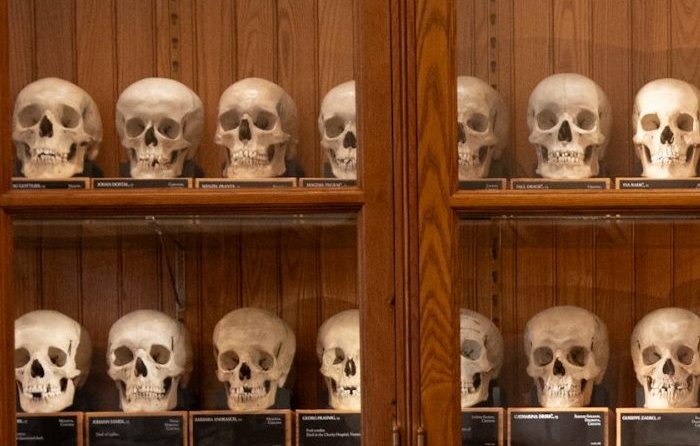
Madagascar has taken a powerful step toward reclaiming its history and honoring its ancestors with the return of the skull of King Toera and three others believed to be members of the Sakalava ethnic group. These remains, held for over a century at the National Museum of Natural History in Paris, were handed over by the French government in a solemn ceremony at the Ministry of Culture in Paris. The skulls are scheduled to be buried in Madagascar on August 31, in a ceremony that will carry deep cultural and emotional significance for the Malagasy people.
King Toera was killed during a violent colonial assault by French troops in Ambiky in the late 1800s, and his skull was taken as a trophy—a grim symbol of imperial conquest. For decades, Madagascar has called for its return, viewing the skull not only as a sacred ancestral relic but also as a representation of the dignity and sovereignty stripped away during colonial rule. The restitution is being hailed as a historic victory for Madagascar, a moment of justice and remembrance that restores part of the nation’s stolen heritage.
French Culture Minister Rachida Dati acknowledged the painful legacy behind the skulls’ presence in France’s national collections, stating that their acquisition violated human dignity and was rooted in colonial violence. Although scientific analysis has confirmed the skulls’ origins within the Sakalava community, it remains only presumed that one of them belongs to King Toera. Still, the symbolic weight of the gesture is immense, offering Madagascar a chance to honor its ancestors and confront the wounds of its colonial past.
President Emmanuel Macron, during a visit to Madagascar in April, emphasized the importance of this act as a gesture of reconciliation. He described it as part of a broader effort to create “conditions for forgiveness” and to acknowledge the dark chapters of colonial history that spanned from 1897 until Madagascar’s independence in 1960. The return of the skulls also marks the first application of a new French law, passed in late 2023, which allows for the restitution of human remains from public collections without requiring lengthy legislative procedures.
For Madagascar, this moment is more than symbolic—it is a reclaiming of identity, a restoration of dignity, and a reaffirmation of cultural sovereignty. As the country prepares to lay these remains to rest, the ceremony will not only honor the lives lost but also serve as a reminder of the resilience of the Malagasy people and their enduring commitment to preserving and celebrating their heritage.