

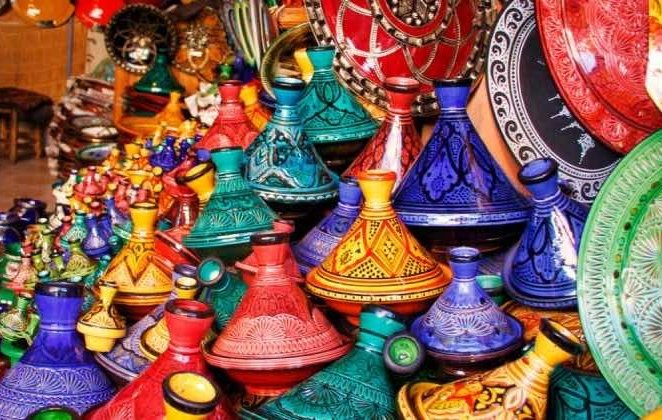
Morocco’s rich artisanal heritage took center stage as the country was honored as the Guest of Honor at the 19th National Craft Fair of Benin (SNAB), held from August 22 to 31, 2025, in Cotonou. The event, which celebrates the creativity and craftsmanship of artisans across Africa, provided a vibrant platform for cultural exchange, skill-sharing, and regional collaboration. Morocco’s participation was led by a delegation headed by Abderrahim Zemzami, president of the Chamber of Artisans of Rabat-Salé-Kénitra, and included master craftsmen eager to share their expertise with Beninese peers and explore new trade opportunities.
The fair operated under the theme “Beninese Craftsmanship: Challenges and Opportunities in Product Labeling and Certification for Access to Local and International Markets,” reflecting a growing emphasis on quality standards and global market integration. With 150 exhibition stands, including 20 international participants, the event aimed to elevate Benin’s artisan sector by encouraging innovation and knowledge exchange. Morocco’s contribution was particularly impactful, showcasing its globally recognized skills in ceramics, textiles, leatherwork, and metal artistry. Through live demonstrations, workshops, and mural exchanges, Moroccan artisans engaged directly with local craftsmen, offering insights into traditional techniques and modern adaptations.
Benin’s Minister of SMEs and Employment Promotion, Modeste Tihounté Kerekou, welcomed Morocco’s involvement, emphasizing the importance of cross-border collaboration in strengthening Africa’s craft industries. He praised the exchange of skills and experiences as a vital step toward empowering local artisans and enhancing their access to broader markets. The Moroccan delegation’s presence not only highlighted the country’s commitment to cultural diplomacy but also reinforced its role as a leader in preserving and promoting artisanal excellence across the continent.
The fair’s dynamic programming included thematic panels on labeling, export strategies, and digitalization, alongside cultural evenings that blended music, storytelling, and theater to celebrate Benin’s artistic wealth. Morocco’s participation added depth and prestige to the event, inspiring artisans and audiences alike with its dedication to craftsmanship and its openness to collaboration. As the fair concluded, it left behind a renewed sense of purpose and possibility for African artisans striving to preserve tradition while embracing innovation.