

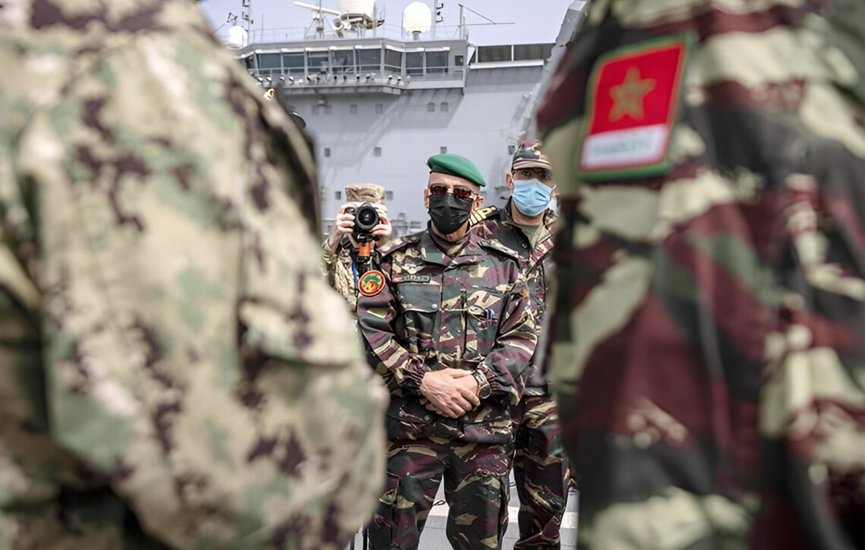
Morocco is redefining regional defense dynamics through a “smart power” strategy that prioritizes modernization, strategic alliances, and internal development over sheer military expenditure. This approach stands in stark contrast to Algeria’s traditional doctrine of mass military spending, which has long dominated North African defense budgets. While Algeria continues to invest heavily in conventional arms and maintains one of the continent’s largest military forces, Morocco is channeling its resources into targeted upgrades, cyber capabilities, and interoperability with key global partners. The result is a more agile, technologically advanced, and diplomatically connected defense posture that increasingly outpaces Algeria’s in terms of strategic effectiveness.
At the heart of Morocco’s strategy is a commitment to qualitative transformation rather than quantitative accumulation. The country’s defense budget, set to reach record levels by 2026, is being directed toward building domestic defense industries, acquiring precision systems, and enhancing intelligence and surveillance capabilities. Morocco’s participation in multinational exercises such as African Lion, and its deepening ties with the United States, Israel, and European nations, reflect a deliberate pivot toward networked security and shared strategic influence. These partnerships provide Morocco with access to advanced training, joint operations, and cutting-edge technologies that amplify its regional role without matching Algeria’s spending dollar-for-dollar.
Algeria, despite its superior manpower and equipment on paper, faces limitations in strategic flexibility and diplomatic reach. Its defense model remains anchored in Cold War-era procurement patterns, emphasizing volume over versatility. This has led to an arms race that, while impressive in scale, lacks the adaptive qualities needed for modern conflict scenarios and regional stabilization efforts. The geopolitical rivalry between the two nations, particularly over the Western Sahara dispute, further underscores the divergent paths they have taken, Morocco through strategic engagement and Algeria through military buildup.
Morocco’s smart power doctrine also integrates civil development into its national security framework, recognizing that long-term stability is rooted in education, healthcare, and economic opportunity. By investing in human capital and infrastructure alongside defense, Morocco is cultivating a resilient society that supports its strategic ambitions. This holistic approach positions the country not only as a military actor but as a stabilizing force with growing influence across Africa and the Mediterranean. In contrast, Algeria’s reliance on mass spending risks economic strain and diminishing returns, especially in an era where adaptability and strategic foresight are paramount. Morocco’s model offers a compelling blueprint for modern defense strategy, one that leverages brains over brawn to achieve lasting regional impact.