

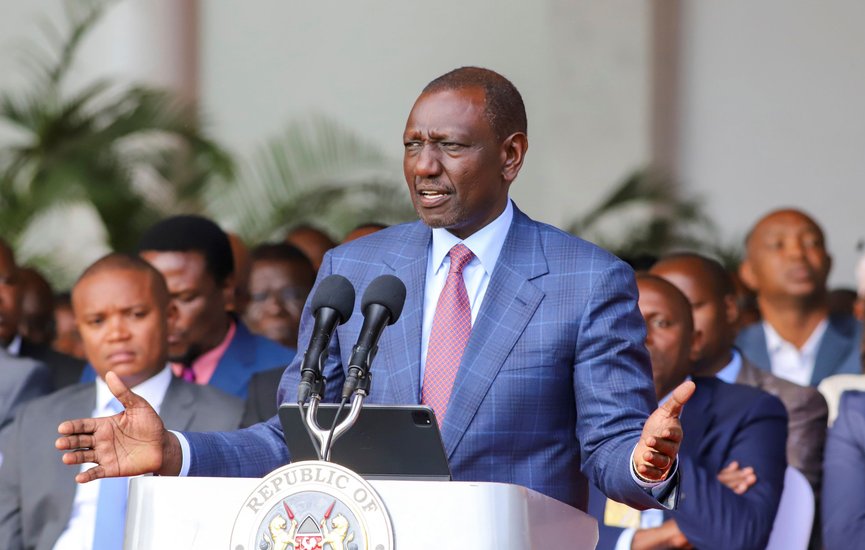
Kenya’s political landscape has been set ablaze again after President William Ruto’s firm announced plans to return millions of shillings to taxpayers. On the surface, this seems like a bold act of integrity. A leader willing to put his own company under the spotlight for the sake of the people. But beneath the headlines, questions swirl, suspicions rise, and the Kenyan street is not easily convinced.
Ruto came to power championing the “Hustler Nation,” a promise to stand with the ordinary mwananchi, to uplift boda boda riders, mama mbogas, and unemployed youth into an economy that works for all. Yet, as months have rolled by, the cries of hustlers have only grown louder. Taxes have tightened their grip, the cost of living has shot through the roof, and allegations of misuse of public funds have returned like ghosts refusing to be buried. In this context, the sudden gesture of refunding taxpayers sounds less like generosity and more like an image repair exercise.
For many Kenyans, this move feels timed too precisely, too polished. It lands just as protests simmer, as youth activists continue to speak out, and as opposition voices sharpen their attacks ahead of 2027. Critics argue that no refund can erase the frustration felt in households where parents struggle to pay school fees, young graduates still chase jobs that never arrive, and the promise of economic freedom remains trapped in speeches rather than reality.
Still, Ruto’s defenders say the refund is symbolic, a sign that the President is serious about correcting mistakes and demanding accountability. They argue that no other leader has dared to step this far into personal sacrifice, and perhaps this could mark a new chapter in Kenyan politics. But even his allies know that one gesture cannot erase the bigger picture. The people demand more than symbolism; they want systemic change, not a single act dressed in PR sparkle.
Across Africa, leaders are watching closely because Kenya’s story mirrors a continental struggle. From Lagos to Lusaka, young Africans are demanding transparency, fairness, and leadership that truly serves. They are tired of politics that feed the elite while leaving ordinary citizens in the dust. The question is no longer about promises; it is about proof.
And that is where Ruto stands today on the balance between hope and skepticism, trust and doubt. His refund may dominate the headlines now, but history will measure him not by this one act, but by whether he can transform Kenya into a place where the hustler truly rises.
Because in the end, love for Africa means demanding leaders who do not just repair their image but repair the very lives of the people they serve.