

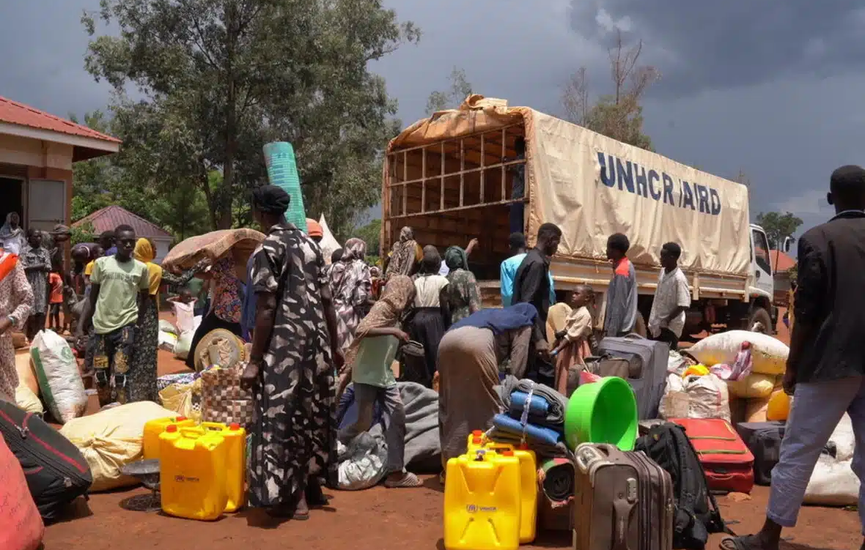
As conflict continues to displace thousands across Sudan and neighboring regions, Uganda is once again bearing the weight of a growing humanitarian crisis. Already recognized as Africa’s largest refugee-hosting nation and the third largest globally, Uganda now shelters 1.93 million refugees, over half of whom are children. Yet, this remarkable openness is being pushed to its limits as a severe funding shortfall threatens to dismantle the aid system that supports these vulnerable populations.
Since the start of 2025, Uganda has received an average of 600 new arrivals each day. Many are fleeing the ongoing war in Sudan, with no possessions, no support systems, and nowhere else to turn. Projections suggest the number of refugees could reach 2 million by the end of the year, putting additional strain on already overstretched resources. Despite Uganda's progressive refugee policy, which grants the right to work, move freely, and access public services, the reality on the ground has become increasingly bleak.
Hamida Ibrahim Amin is among the newly arrived. A widow and mother, she fled from Khartoum to Darfur, and then onward to Uganda, seeking safety for her daughters. “We used to live in Khartoum, but we moved to Darfur because of the war. I’m with my daughters; my husband passed away. We have been here for three months. We have nothing—no money, the children are not in school, and they started getting sick. The situation here is really difficult,” she said. Her story reflects the hardship facing thousands of families arriving with little more than hope for survival.
The humanitarian response is facing one of the worst funding crises in decades, with agencies warning that current resources are only sufficient to meet a third of refugees’ basic needs. Emergency funding is expected to run out by September, and the consequences are already stark. Food and medical supplies have been drastically reduced. Children are increasingly malnourished, schools are overcrowded and under-resourced, and health services are nearing collapse.
Dominique Hyde, Director for External Relations at UNHCR, recently visited refugee settlements in Uganda and raised alarm over the worsening conditions. “I’m in Kiryandongo in Uganda, where we have seen an increase in arrivals in the past month. The situation has become untenable; we simply don’t have the resources for the basic needs, whether it’s water or shelter,” she said. “I’m seeing children that are malnourished, I’m seeing women that are desperate, having arrived here with almost nothing.”
Hyde warned that unless international donors urgently intervene, the humanitarian operation will be unable to continue. “The emergency needs are massive, and we are simply not able to meet them. Whether it’s water, whether it’s shelter, whether it’s food—it’s only 25 percent funded,” she said. “And it’s not just about UNHCR. It’s about the World Food Programme, the other UN agencies, and the government of Uganda and their generosity towards this population, offering safety and a home. But without funding, we are simply not able to help.”
With basic necessities out of reach, refugees are being forced into impossible decisions. Many children are dropping out of school to help their families survive. Reports of gender-based violence are rising, as women and girls find themselves increasingly vulnerable. Mental health services have declined sharply, and suicide rates among refugee youth are climbing—an especially alarming trend as trauma, stress, and hopelessness deepen in the absence of professional care.
Uganda’s model of refugee integration has long been praised by the international community. But generosity alone cannot sustain the weight of a crisis of this magnitude. With conflict still driving people from their homes and emergency funding at risk of drying up, the global community is now faced with a clear choice: step up with immediate, meaningful support—or watch as millions of lives slide further into suffering, deprivation, and despair.