

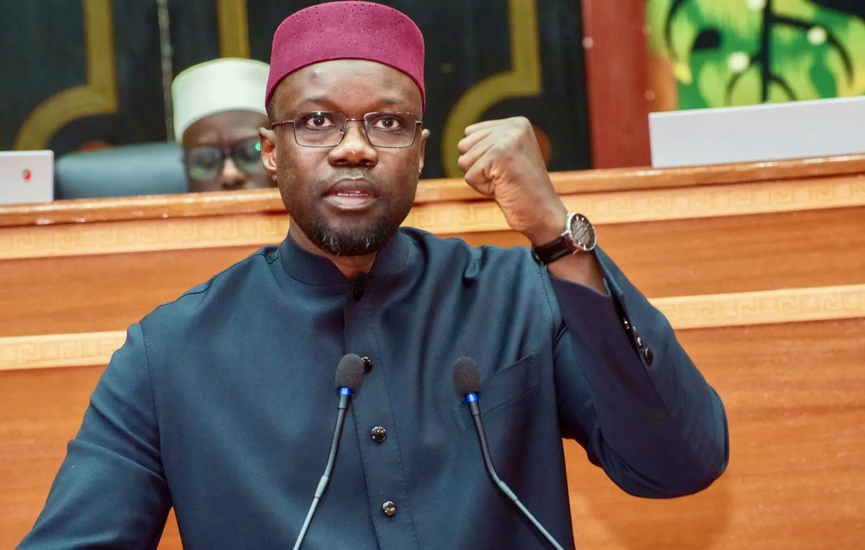
DAKAR, Senegal, Prime Minister Ousmane Sonko has sharply criticized the International Monetary Fund’s (IMF) approach to managing Senegal’s debt situation, accusing the global lender of pushing policies that clash with his government’s vision for economic sovereignty. Sonko’s remarks come amid ongoing negotiations with the IMF over financial support and debt sustainability as the West African nation confronts a mounting public debt burden that has exceeded 130% of gross domestic product.
In comments to reporters, Sonko rejected the notion that Senegal should restructure its public debt a step advocated by some international creditors, including the IMF, as a way to restore fiscal stability. He described debt restructuring as unnecessary and potentially damaging to the country’s long‑term financial credibility, insisting instead that Senegal can manage its obligations through targeted economic reforms and by accessing regional financial markets. Sonko maintained that internal strategies, such as expanding revenue bases and rationalizing public expenditure, would yield better outcomes than externally imposed measures.
The prime minister’s stance reflects broader tensions between Dakar and international financial institutions. Although the IMF has stated it remains engaged with Senegalese authorities, fundamental differences persist over the best path forward. Critics warn that resistance to restructuring and strict IMF conditions could prolong fiscal uncertainty, while Sonko and allies argue that prioritizing national economic plans over external prescriptions will protect Senegalese interests and foster sustainable growth.