

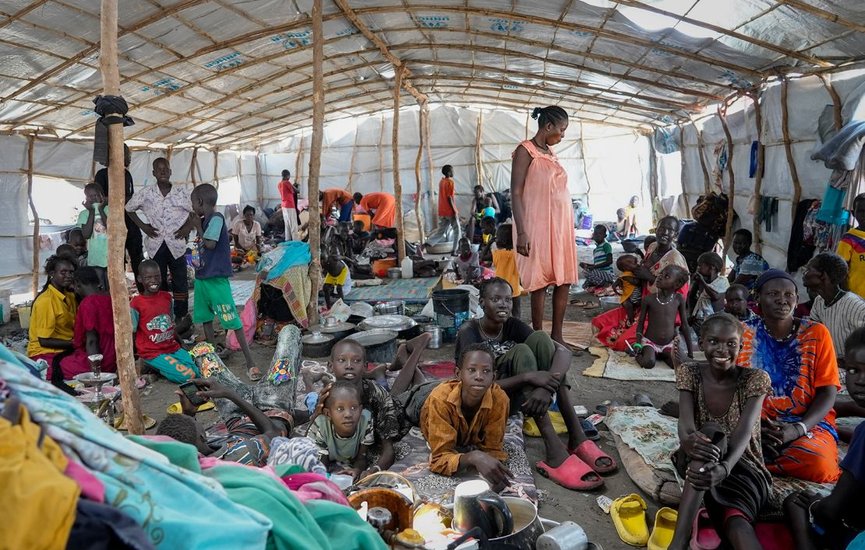
Since April 2023, the escalating conflict in Sudan has triggered a humanitarian crisis, displacing over 11 million people, with more than 2 million fleeing to neighboring countries in search of safety. Libya, particularly the border town of Kufra, has become a key destination for Sudanese refugees, despite persistent challenges in registration and tracking. Libyan authorities report receiving hundreds of registration requests daily, while informal camps continue to absorb a steady influx of new arrivals—averaging between 150 and 200 people each day. However, recent weeks have seen a decline in arrivals due to temporary border closures, heightened security measures, and intensified conflict in border regions, which have made crossing into Libya increasingly perilous.
The strain on Kufra’s healthcare infrastructure is growing, as the influx of refugees overwhelms the limited resources of local medical facilities. The newly established Refugee Medical Center and Al-Shaheed Attia Hospital are operating under immense pressure, serving both the host community and displaced populations. These facilities face acute shortages of skilled healthcare personnel, compromising their ability to deliver quality inpatient care. Al-Shaheed Attia Hospital is in urgent need of specialized medical staff to meet rising demands, while the Refugee Medical Center requires a substantial increase in personnel to maintain effective operations and uphold standards of patient care.
Mental health services in Kufra are similarly under-resourced. The Kufra Mental Health Center has been functioning without a dedicated psychiatrist for an extended period, severely limiting its capacity to provide comprehensive mental health support. The absence of specialists has left many patients without access to appropriate care, exacerbating the psychological toll of displacement and trauma. The region’s referral system is virtually nonfunctional, forcing patients to undertake arduous journeys of over 1,000 kilometers to Benghazi or Tripoli for specialized treatment. Poor road conditions and prohibitive transportation costs further restrict access, particularly for those with limited financial means.
Human resource shortages are critical across the district’s healthcare network. Only two staff members in all district hospitals, primary healthcare centers, and basic health units have received training under the World Health Organization’s Mental Health Gap Action Programme. This gap in expertise has left the refugee population vulnerable to untreated psychological distress, with widespread reports of depression, anxiety, and behavioral disorders. Social stigma surrounding mental health continues to deter individuals from seeking help, compounding the crisis and underscoring the urgent need for targeted interventions and sustained support.