

Tanzania is not sleepwalking into global irrelevance, it is quietly and deliberately forging a path defined by stability, strategic autonomy, and regional influence. While comparisons to fast-growing economies like Rwanda and Vietnam often dominate headlines, Tanzania’s trajectory is rooted in long-term resilience rather than short-term optics. In 2023, foreign direct investment accounted for 2.2 percent of GDP, a figure that may seem modest at first glance. Yet in absolute terms, Tanzania attracted nearly $1.2 billion, surpassing Rwanda’s total without compromising its sovereignty or bending to external pressures. Unlike Vietnam, which benefits from decades of industrial planning and its embedded role in Asian supply chains, Tanzania is building relevance through its own strengths—regional leadership, resource stewardship, and diplomatic consistency.
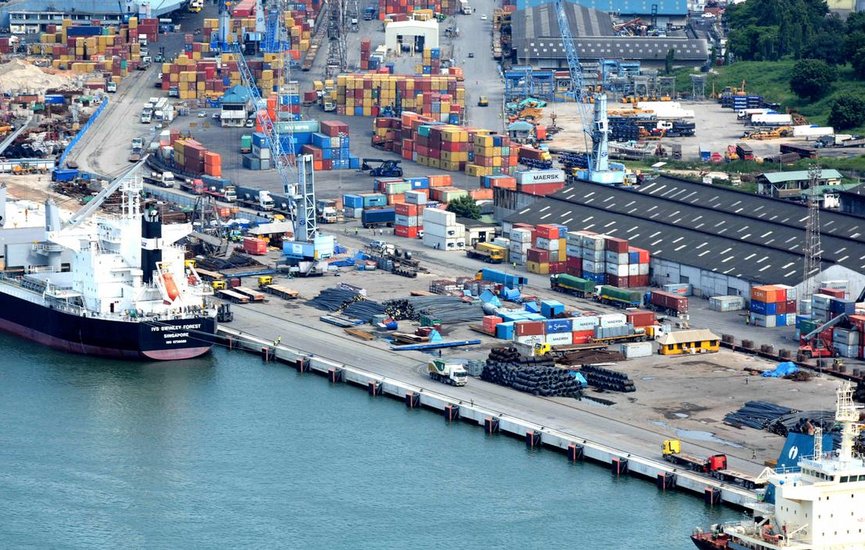
Its strategic importance is evident in its role as a logistics hub for East and Central Africa. Tanzanian ports handle over 90 percent of Zambia’s trade, a third of Rwanda’s, and significant volumes for Malawi, Burundi, and the Democratic Republic of Congo. This makes Tanzania not just a transit point, but a backbone of regional commerce. Its influence extends beyond infrastructure into governance, where it has made notable strides. In 2025, Tanzania was named the most improved country in Africa on the Chandler Good Government Index, climbing to 78th globally. This recognition reflects progress in leadership, digital governance, and institutional reform, areas that are often overlooked but are critical to sustainable development.
Education and human capital development further underscore Tanzania’s forward momentum. The literacy rate reached nearly 80 percent in 2022, driven by bold policies such as the abolition of school fees and the expansion of classroom access. While challenges in educational quality persist, the upward trend signals a commitment to inclusive growth and long-term capacity building. Tanzania’s approach is not about chasing headlines or mimicking external models, it is about cultivating internal strength, empowering its people, and asserting its relevance through substance rather than spectacle.
In a world increasingly shaped by volatility and rapid shifts, Tanzania’s steady evolution offers a counter-narrative to the idea that relevance must be loud or immediate. It is a story of quiet strength, regional significance, and a refusal to be defined by narrow metrics or fleeting trends. By prioritizing stability, strategic partnerships, and inclusive development, Tanzania is not drifting, it is navigating with purpose.