

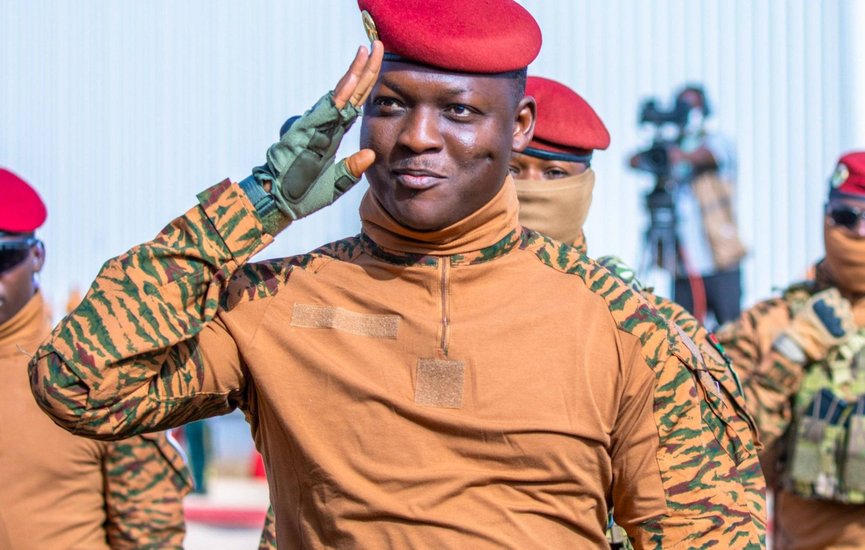
OUAGADOUGOU, Burkina Faso, Burkina Faso’s interim president Ibrahim Traoré, known for his pan‑Africanist and anti‑imperialist stance, has sharply criticized the governments of the United States and Israel, calling them “terrorist states” and accusing them of perpetuating global instability and exploiting African resources. Traoré made the comments during a speech to senior officials and supporters, asserting that what he called imperialist interventions particularly military involvement by Western powers in Africa and the Middle East have fueled conflicts rather than promoting peace or development. He argued that these policies undermine national sovereignty and disproportionately harm ordinary people across the Global South.
Traoré’s remarks reflect his long‑standing rejection of Western influence in regional affairs and his broader critique of foreign military presence and economic policy. Since seizing power in 2022, he has promoted policies intended to reduce reliance on former colonial powers and to strengthen Burkina Faso’s independence, rhetoric that has extended to criticism of U.S.‑led security initiatives and the role of Western allies in conflicts abroad. In previous addresses, he has described global terrorism as a strategy linked to imperialist powers rather than an isolated security issue, a perspective that resonates with some regional leaders who share skepticism towards external military involvement in Africa.
The comments are likely to deepen tensions between Ouagadougou and Western governments, which already view Burkina Faso’s junta with concern due to its political direction and security policies. Traoré’s government has faced criticism from Western capitals over governance and counter‑terrorism cooperation, while many of his supporters see the president’s defiant rhetoric as part of a broader struggle against external domination. The exchange highlights ongoing debates about sovereignty, security and influence in the Sahel and beyond even as Burkina Faso grapples with internal insurgencies and regional security challenges that critics say require international cooperation.