

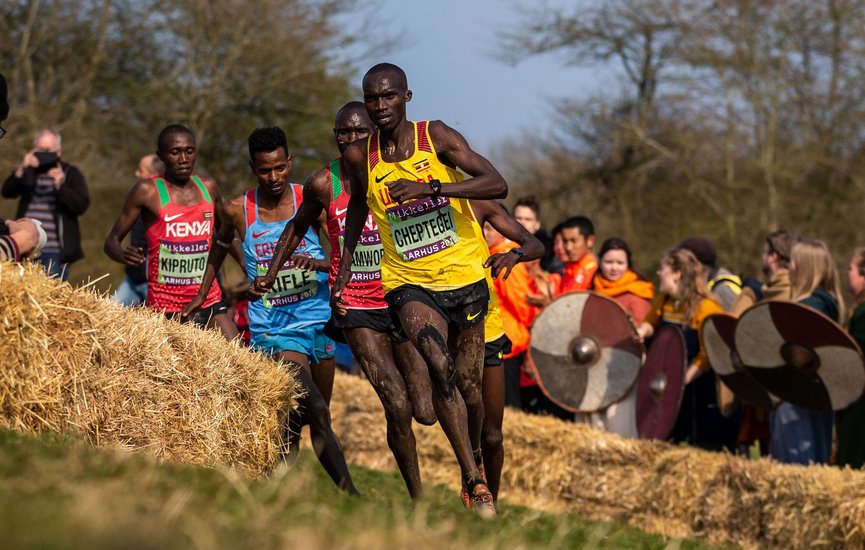
KAMPALA — In the 2025 World Athletics Championships in Tokyo, Uganda felt the silence where once its long‑distance runners commanded attention. Two of its greatest medal hopes Joshua Cheptegei and Jacob Kiplimo were absent, leaving the country conspicuously quiet in premier events like the 5,000m, 10,000m, and the marathon.
These absences go beyond missing athletes they represent gaps in experience and leadership at the top. In past global meets, Cheptegei and Kiplimo anchored Uganda’s hopes, pushing for podium finishes, pacing the field, and setting the rhythm for success. Without them, Uganda still competed but lacked the authoritative presence it has grown accustomed to.
Meanwhile, regional rivals like Kenya and Ethiopia reinforced their dominance, with emerging and established stars stepping into the spotlight. Uganda’s spectators were left measuring what might have been more than what was. The contrast between youthful athletic feats and the ageing faces of governance both in sports administration and national politics also offered a striking metaphor.
Though the medal tally might be missing Uganda this time, the hope lingers that newer names will rise, that the next generation will step up, and that the silence will one day be replaced by deafening cheers. As Onyango‑Obbo poignantly puts it: “We shall not stop hoping for happy moments to come.”