

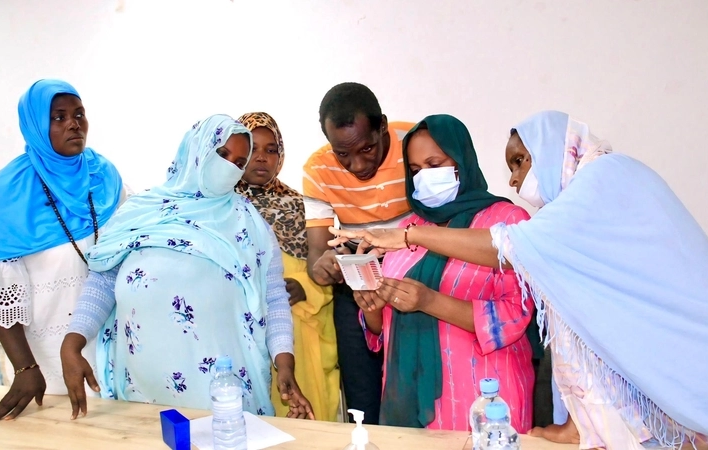
The Women and Sustainable Cities Programme has officially concluded in Mauritania, Morocco, and Tunisia, marking the end of a groundbreaking initiative that placed women at the heart of inclusive urban development. Over its duration, the programme empowered women through targeted training, resource access, and participatory platforms, enabling them to actively shape policies and practices that influence the sustainability and equity of their cities. From climate resilience strategies to community-led urban planning, women played a central role in advancing projects that reflect both environmental priorities and social justice.
Throughout the programme, local governments, civil society organizations, and grassroots women’s groups collaborated to address pressing urban challenges with gender-responsive solutions. Participants contributed to redesigning public spaces, promoting green infrastructure, and enhancing community engagement, ensuring that urban development reflects the diverse needs of all residents. The initiative also fostered leadership among women, equipping them with the tools to advocate for their communities and influence decision-making processes at multiple levels.
As the programme wraps up, its impact resonates through strengthened networks, policy recommendations, and a renewed commitment to inclusive governance. Celebratory events across the three countries highlighted key achievements and shared valuable lessons, reinforcing the importance of sustained investment in gender equality within urban planning. The legacy of the Women and Sustainable Cities Programme lies not only in its tangible outcomes but in its affirmation that women are indispensable architects of resilient, vibrant, and sustainable cities across North Africa.