

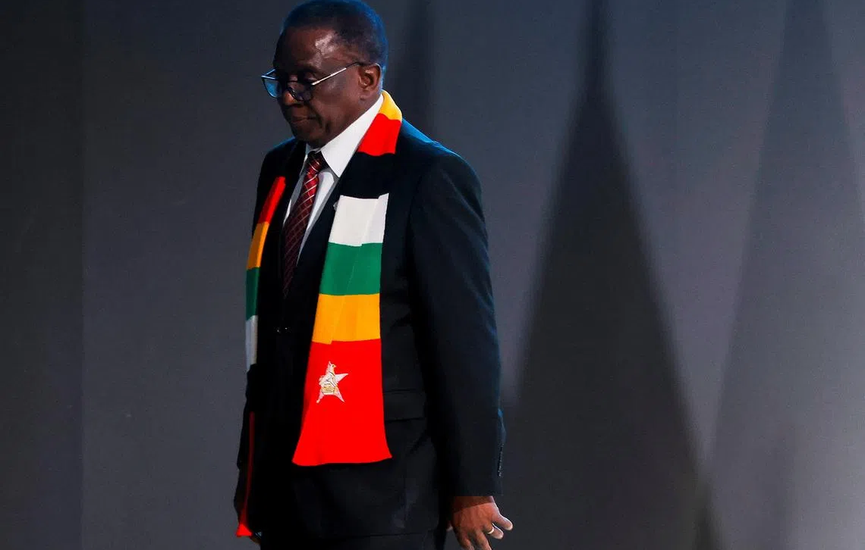
Zimbabwe’s cabinet has approved draft constitutional amendments that would allow President Emmerson Mnangagwa to remain in office until at least 2030, extending the country’s presidential term limits and altering key aspects of its political system.
Under the proposed legislation, the length of presidential terms would increase from five years to seven years, meaning that if passed by parliament, Mnangagwa currently set to step down in 2028 after two five‑year terms could stay in power for an additional two years. The bill also includes changes that would have future presidents elected by parliament instead of by direct popular vote.
Justice Minister Ziyambi Ziyambi said the draft bill will be published and submitted to lawmakers after public consultations, marking the start of the legislative process. Parliament is dominated by Mnangagwa’s ruling ZANU‑PF party, which is expected to debate the amendments.
The government argues that the reforms would bring political stability and policy continuity, enabling long‑term development programmes to be completed. However, opposition groups and constitutional experts contend that changes affecting term limits should be decided through a national referendum and warn that the amendments could weaken democratic accountability.
Mnangagwa first rose to power after the ouster of longtime leader Robert Mugabe in 2017 and has led Zimbabwe since winning elections in 2018 and 2023, both of which were contested by opposition parties. If the amendments are passed, they could reshape Zimbabwe’s political landscape as the president would be able to serve until 2030.