Mali
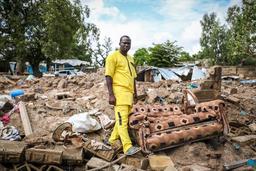
Humanitarian needs remain high in northern and central Mali due to armed conflict, market disruptions, and rising displacement. Blockades, refugee influxes, and poor harvests have deepened food insecurity, making aid essential for survival.

Advertisement Placeholder
728x90 or Responsive Banner
Advertisement Placeholder
728x90 or Responsive Banner
Energy and Sustainability
Energy and Sustainability
Energy and Sustainability
Energy and Sustainability
Africa
Energy and Sustainability
Economy
Energy and Sustainability
Economy
Energy and Sustainability
Energy and Sustainability
Energy and Sustainability

Business
Africa
Energy and Sustainability
Advertisement
300x250 or Responsive
Sponsored Content
Humanitarian needs remain high in northern and central Mali due to armed conflict, market disruptions, and rising displacement. Blockades, refugee influxes, and poor harvests have deepened food insecurity, making aid essential for survival.
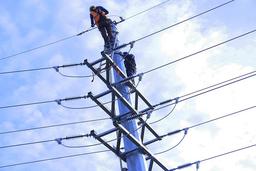
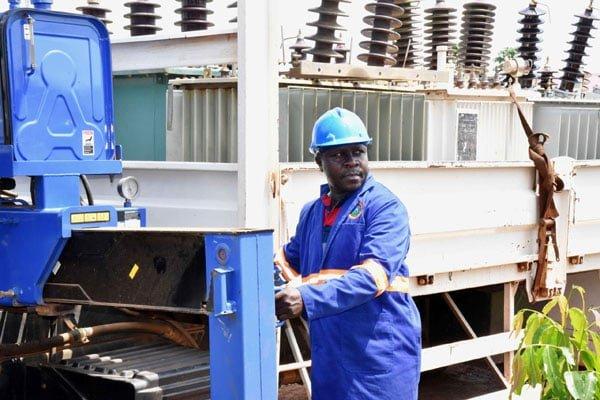
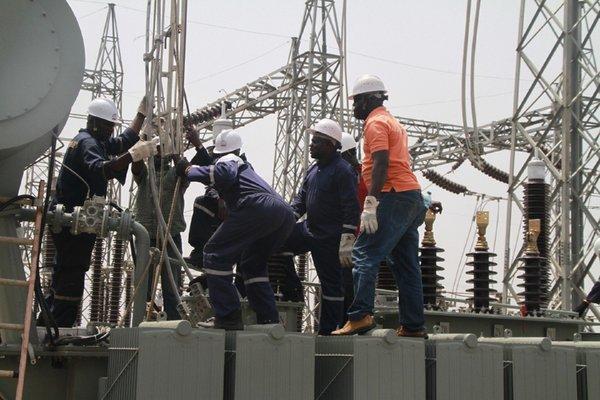
Rwanda has achieved 85% electricity access nationwide, marking a major leap from just 2% in 2000. As tariffs remain under review, the government eyes universal access while maintaining financial sustainability in the power sector.
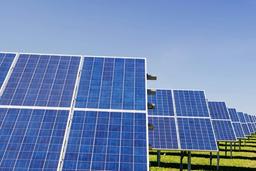
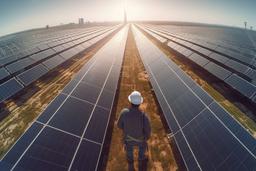
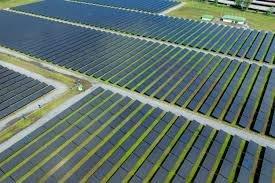
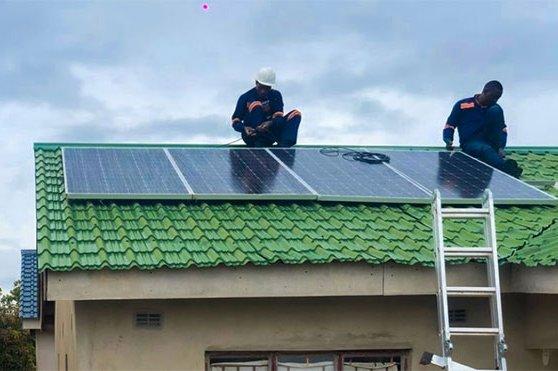
Kasakula village in Malawi has become the nation’s first fully solar-powered community, bringing clean energy to thousands of homes, schools, and a health clinic. The initiative has improved education, healthcare, and livelihoods, serving as a model for sustainable development across Africa.
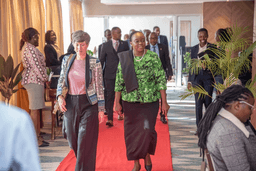
The United Nations has called on African nations to harness the economic opportunities arising from ambitious climate plans, highlighting Morocco as a key example for the region.