
Advertisement
Advertisement Placeholder
728x90 or Responsive Banner
Advertisement
Advertisement Placeholder
728x90 or Responsive Banner
Environment
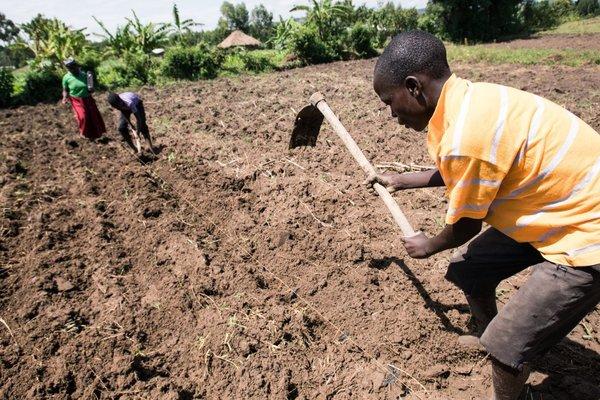
African Nations Discuss Ways to Tackle Rising Food Insecurity Amid Climate Change
Environment
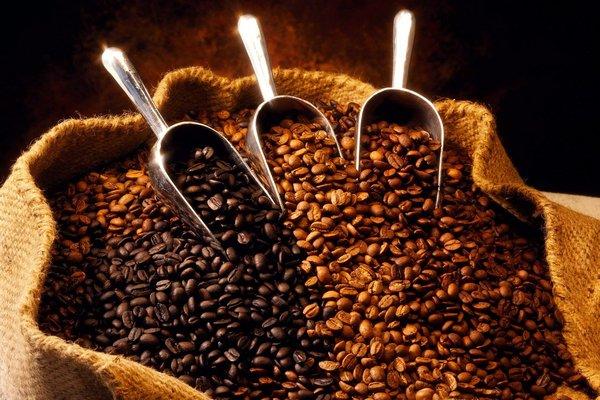
Uganda Surpasses Ethiopia as Africa’s Top Coffee Exporter
Environment
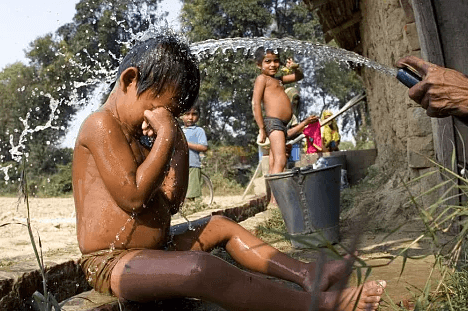
Extreme Heat in Morocco Triggers Surge in Air Conditioning Demand
Environment
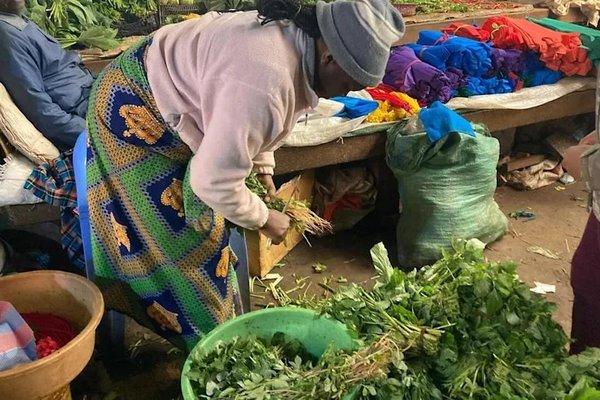
Forgotten 'Weeds' Make a Culinary Comeback in Kenya

Environment
How Air Conditioners Work and Their Impact on the Environment
Environment
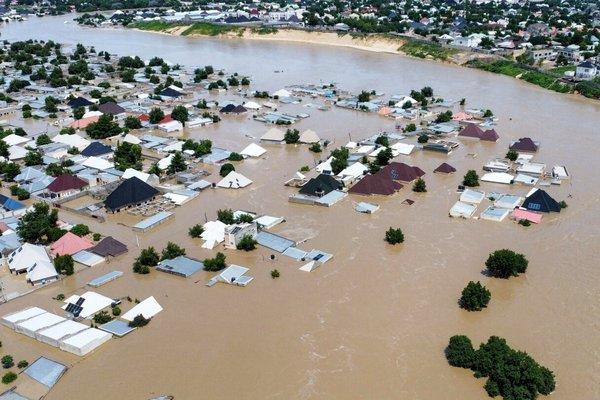
Flash Floods Devastate Northeastern Nigeria, Leaving 25 Dead and Thousands Displaced
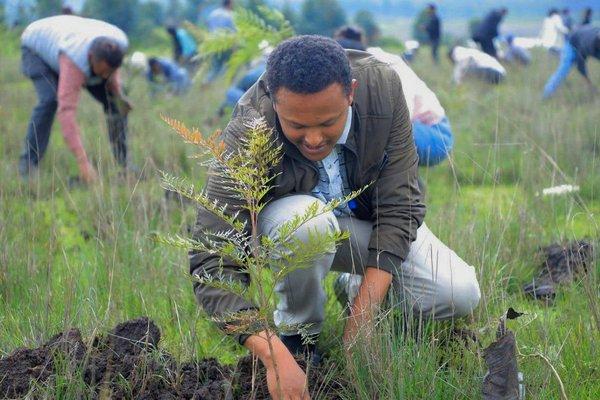
Ethiopians on the "planting Trees" Campaign.
Energy and Sustainability
Ethiopia’s Green Miracle
Environment
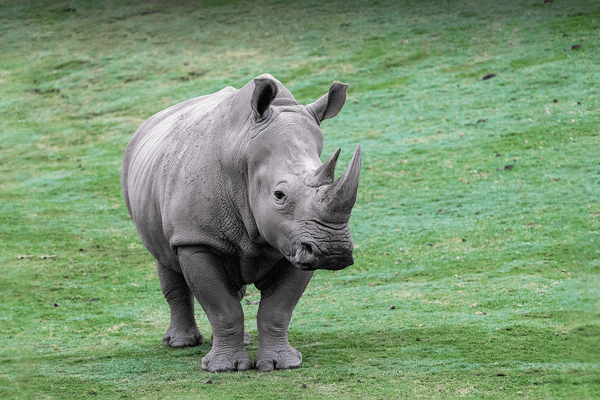
South Africa turns rhino horns radioactive
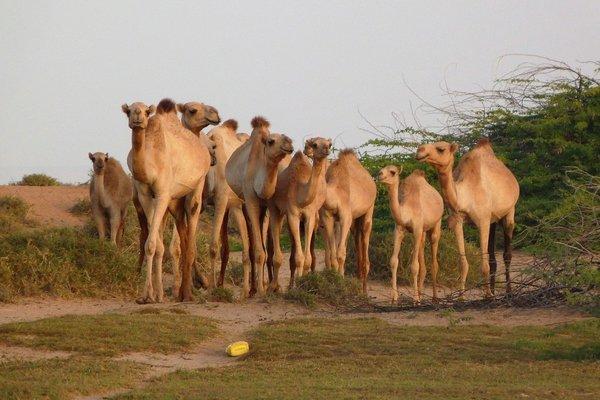
Abdirisak Mire Hashi, a veterinarian and the farm's manager, drinks from a cup filled with camel milk in Beder Camel Farm on the outskirts of the capital Mogadishu, Somalia Photo| Courtsey
Environment
Somalia’s Farming Future Rides on Camels
Heavy Rains Threaten Widespread Nigeria Flooding
South African researchers say exotic plants increase urban wildfire risk
Trespassers Ordered to Restore Kampala’s Green Spaces
Zambia Declares Toxic Spill Area Safe

Environment
Uganda Ranked Third Worldwide in Environmental Stewardship
Environment
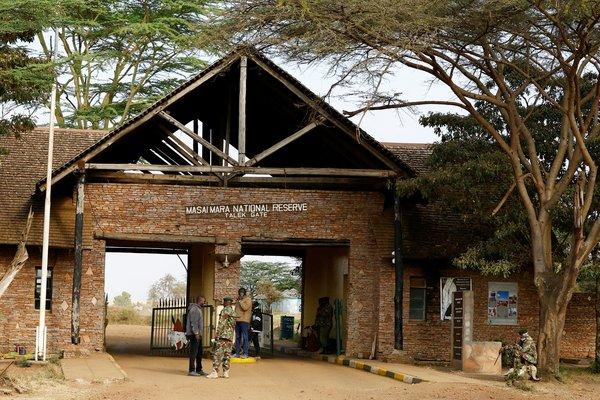
Kenyan Activist Seeks to Halt Ritz-Carlton Safari Lodges .
Environment
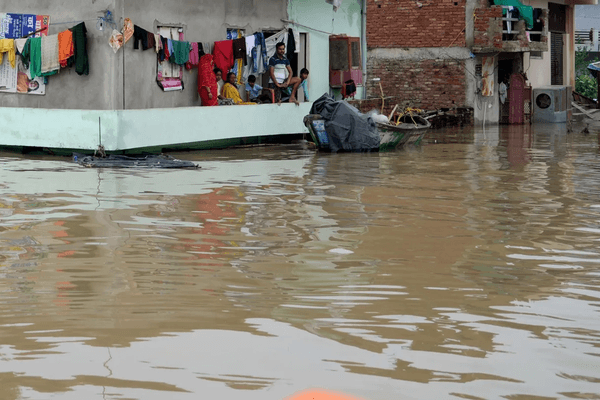
Cabo Verde Floods Kill Nine, Thousands Displaced
Environment
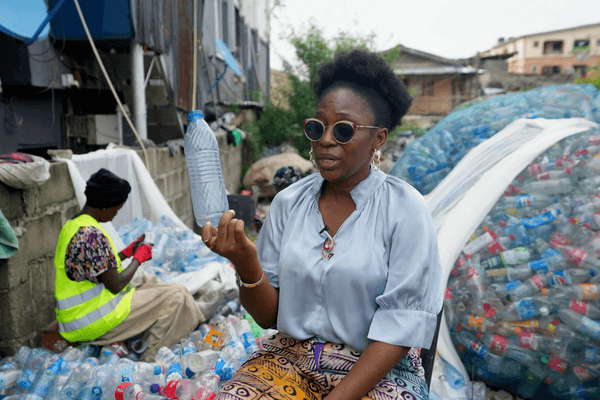
Lagos city has banned single-use plastics
Environment
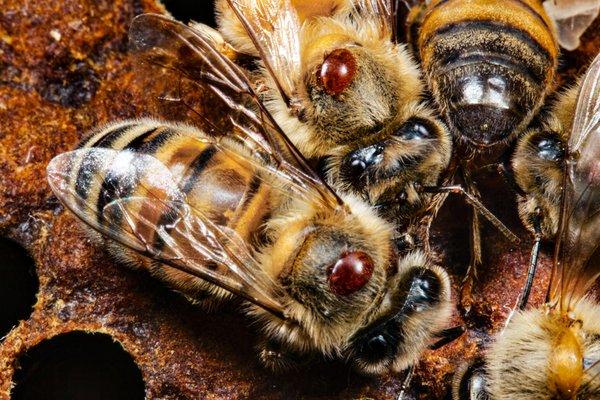
Pesticides Threaten Rwanda’s Bee Population
Environment
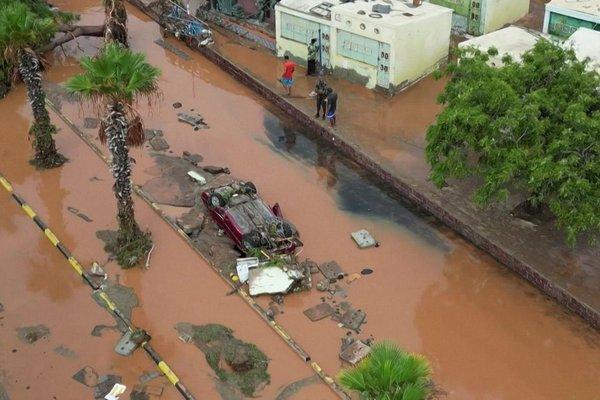
Cape Verde Declares State of Emergency After Deadly Floods
Latest articles
Loading ...
Advertisement
Sponsored
Advertisement
300x250 or Responsive
Sponsored Content
Your Ad Here
Most read

Kenya
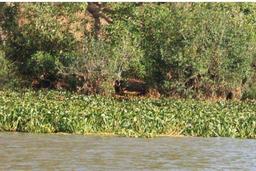
On the shores of Lake Naivasha, dense mats of water hyacinth are suffocating aquatic life, blocking sunlight, and wreaking havoc on local fisheries.
Uganda
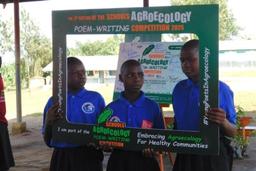
The annual Schools Agroecology Poem Writing Competition, organized by the Eastern and Southern Africa Small-scale Farmers’ Forum (ESAFF Uganda) with support from Humundi, the Agroecology Fund, and other agroecology partners, continues to inspire a new generation of environmentally conscious youth through the power of poetry.
Liberia
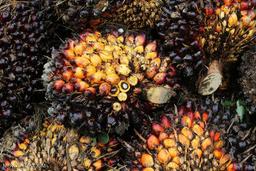
Human rights groups are urging the Roundtable on Sustainable Palm Oil to take action against Mano Palm Oil Industries in Liberia, citing land grabs, labor abuses, and environmental harm. Critics say RSPO’s failure to enforce its standards undermines its credibility and allows exploitation to persist.
South Africa

South African scientists have launched the Rhisotope Project, injecting rhino horns with radioactive material to help detect poached horns. The initiative, developed by Wits University in collaboration with the International Atomic Energy Agency, aims to combat the rising poaching rates in South Africa, where over 400 rhinos are killed annually. While not a final solution, the project is seen as a valuable tool to disrupt illegal trade and track smuggling networks. The horns are often sold in Asian markets for use in traditional medicine and as status symbols.
Nigeria

Nigeria’s Environment Ministry has issued a flood alert for 19 states as heavy rains and thunderstorms forecast from August 5 to 9 pose serious risks nationwide. Authorities urge swift emergency response and public caution amid rising fears of another devastating disaster.