

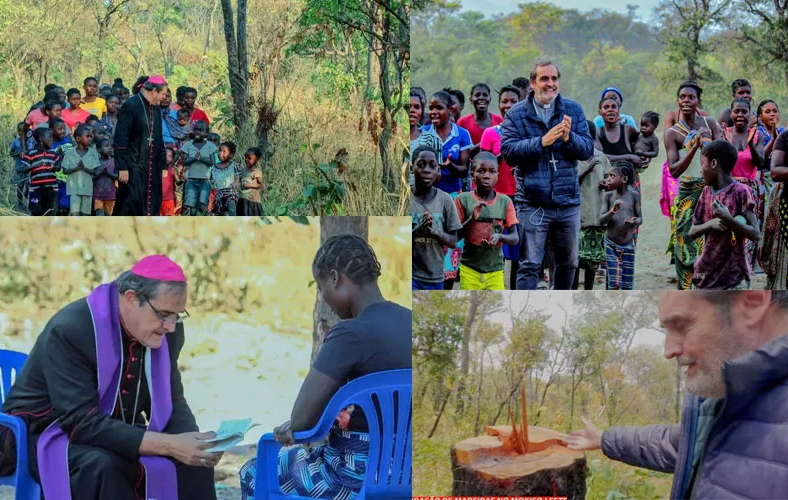
Bishop Martín Lasarte Topolansky of the Catholic Diocese of Lwena has issued a grave warning about the accelerating environmental destruction unfolding in eastern Angola, particularly near the border with Zambia. Following a 21-day pastoral mission through remote municipalities including Nana Candundo, Caianda, Loua, Cazombo, and Macondo, the bishop described a landscape under siege—where illegal logging and rampant poaching are erasing Angola’s rich biodiversity in real time. He recounted seeing centenary Mussivi trees felled and fresh tracks from tractors and trucks crossing the porous border from Zambia, where enforcement is weak and exploitation unchecked. According to his testimony, rare and protected species such as elephants, antelopes, and the iconic Giant Black Palanca are vanishing at an alarming rate, victims of a growing cross-border trade in timber and wildlife.
The bishop’s observations go beyond environmental concern; they touch on a deeper moral and national crisis. He condemned the widespread use of fire to clear land, describing it as a national scourge that destroys thousands of hectares annually and contributes to the degradation of ecosystems and livelihoods. These fires, often set without regulation or foresight, are emblematic of what he called a form of self-destruction, an abandonment of stewardship over Angola’s natural heritage. His appeal was not only to government authorities but to civil society, urging a collective awakening to the irreversible damage being inflicted on the land and its creatures.
In response to this crisis, the Catholic Church has launched a series of grassroots initiatives aimed at restoring degraded environments and promoting sustainable livelihoods. These include agroforestry projects that integrate tree planting with agriculture, beekeeping programs to support biodiversity and income generation, and community engagement efforts to raise awareness about conservation. Bishop Lasarte emphasized that these efforts, while modest, are vital steps toward healing the land and empowering local populations to become guardians of their environment. His message was clear: without urgent action, Angola risks losing not only its forests and wildlife but also the cultural and spiritual connection to the land that sustains its people.