
Ethiopia
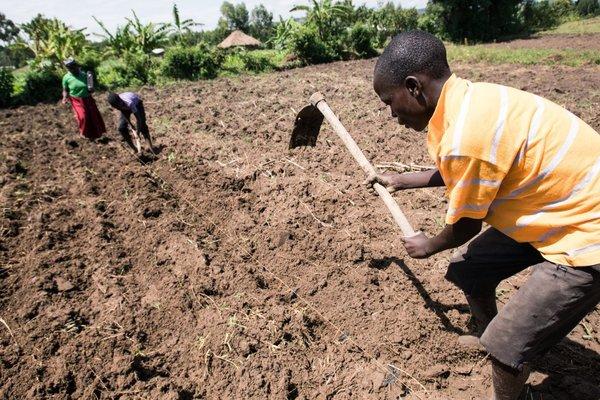
Ethiopia partners with Dangote Group in a $2.5 billion project to build one of the world’s largest fertilizer plants, aiming to boost food security, create jobs, and strengthen the nation’s agricultural future.
Advertisement Placeholder
728x90 or Responsive Banner
Advertisement Placeholder
728x90 or Responsive Banner

Environment

Environment

Environment

Environment

Environment

Environment

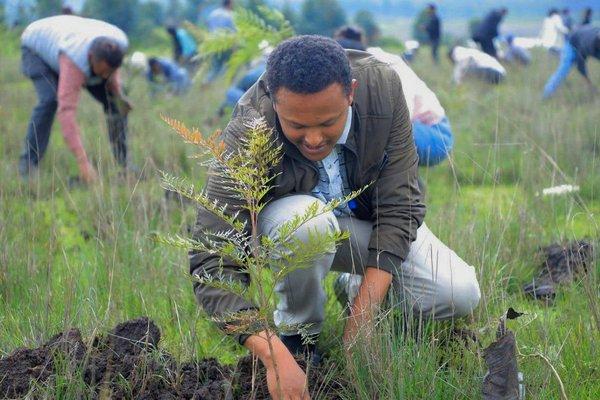
Ethiopians on the "planting Trees" Campaign.
Energy and Sustainability

Environment

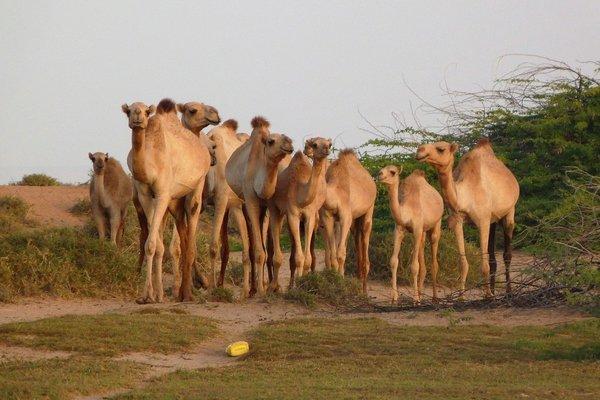
Abdirisak Mire Hashi, a veterinarian and the farm's manager, drinks from a cup filled with camel milk in Beder Camel Farm on the outskirts of the capital Mogadishu, Somalia Photo| Courtsey
Environment

Environment

Environment

Environment

Environment

Environment

Environment
Advertisement
300x250 or Responsive
Sponsored Content
Ethiopia partners with Dangote Group in a $2.5 billion project to build one of the world’s largest fertilizer plants, aiming to boost food security, create jobs, and strengthen the nation’s agricultural future.
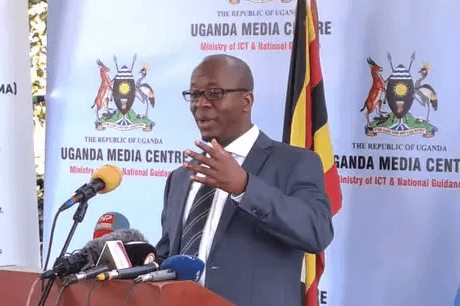
Uganda and the Democratic Republic of the Congo have agreed to strengthen joint security on Lake Edward following a deadly attack by suspected militia. The two countries plan coordinated patrols, regular security meetings, and community engagement to protect fishing communities. This move comes amid ongoing operations against Allied Democratic Forces rebels in the region.
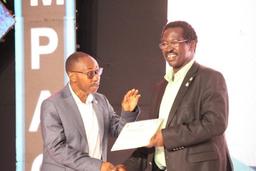
Care and Assistance for Forced Migrants (CAFOMI) has been honored at the 2025 WASH Impact and Influence Awards, earning recognition for its outstanding efforts in improving access to clean water, sanitation, and hygiene in disaster-prone areas of Uganda. The organization’s innovative approaches and strong partnerships have impacted over 100,000 vulnerable people across southwestern Uganda.
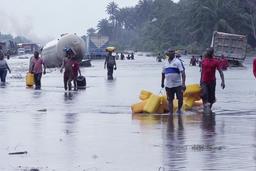
At least six people, including five Kyambogo University students, were injured in a gas explosion at Sports Pro Hostel in Banda, Kampala. The blast, caused by a faulty cooking gas cylinder, left residents hospitalized and raised fresh concerns over safety standards in Uganda’s growing gas sector.
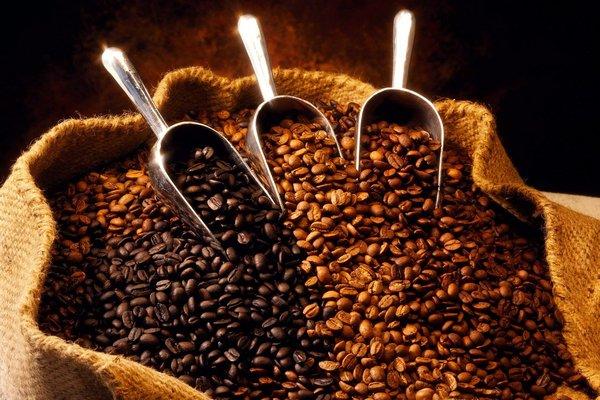
Ugandan scientists are testing drought-resistant coffee varieties under the European Union-funded Green Coffee Initiative, aimed at combating the effects of climate change on the country’s vital coffee industry. The project explores the potential of Robusta coffee strains that can thrive under extreme heat and water scarcity, ensuring the future of Uganda’s coffee production and its resilience against climate challenges.
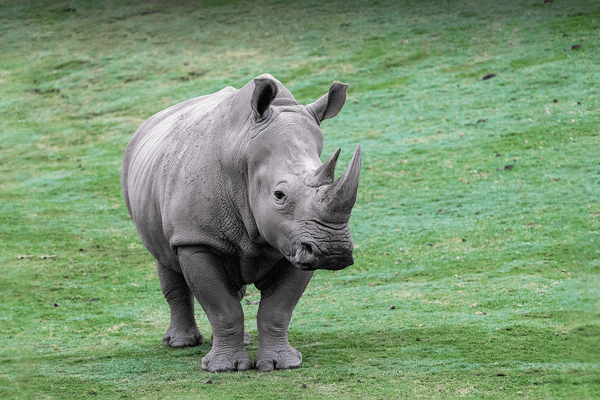
South African scientists have launched the Rhisotope Project, injecting rhino horns with radioactive material to help detect poached horns. The initiative, developed by Wits University in collaboration with the International Atomic Energy Agency, aims to combat the rising poaching rates in South Africa, where over 400 rhinos are killed annually. While not a final solution, the project is seen as a valuable tool to disrupt illegal trade and track smuggling networks. The horns are often sold in Asian markets for use in traditional medicine and as status symbols.