

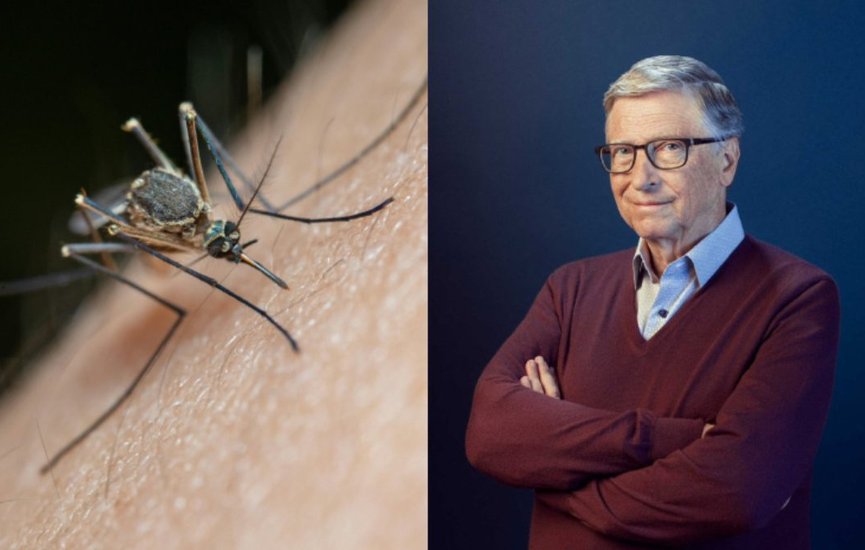
The Bill & Melinda Gates Foundation has officially rejected social media rumors claiming it is responsible for a sudden increase in mosquito numbers in Kenya, describing the allegations as false and misleading.
The controversy began when posts on platforms like X (formerly Twitter), including a comment by Kenyan politician Paul Muite, suggested that the foundation had released genetically modified mosquitoes that were now swarming cities and biting children and elderly residents.
In response, the foundation clarified in a statement that it does not release mosquitoes, does not operate laboratories that breed or release insects, and does not conduct vector-control activities in Nairobi or elsewhere. It emphasized that all its work in Kenya is carried out in support of locally led health priorities and under national regulatory oversight not as independent field operations.
The Gates Foundation also pointed out that malaria control efforts in Kenya such as distributing insecticide-treated bed nets and indoor spraying are managed by the Kenyan government’s National Malaria Control Programmed, not by the foundation itself.
Public health experts warn that misinformation about health interventions can undermine trust in proven malaria prevention measures, and have encouraged people to rely on information from official health authorities.