

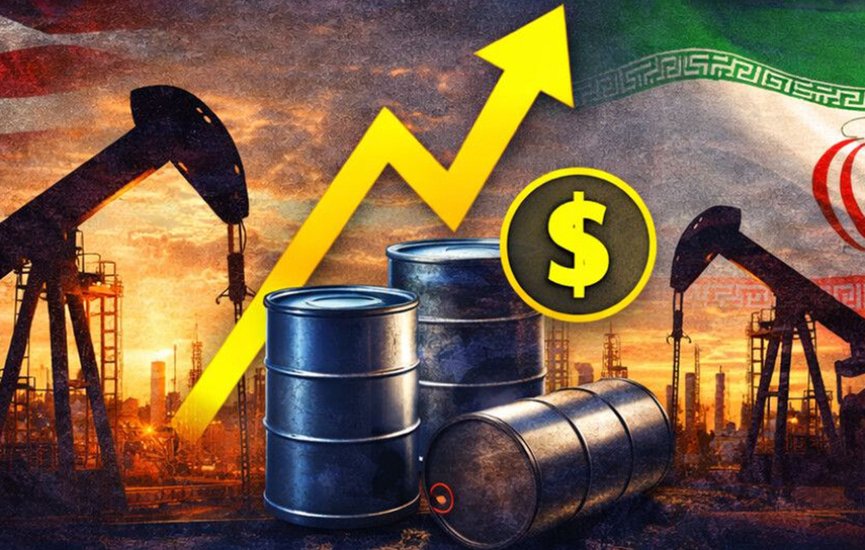
Global energy markets are experiencing renewed volatility after oil prices surged above ninety dollars per barrel amid escalating geopolitical tensions in the Middle East. Analysts say supply concerns and regional instability have pushed crude prices sharply higher, raising fears that energy costs could increase worldwide and place additional pressure on already fragile global economies.
The price increase has been closely linked to developments around the strategic waterway known as the Strait of Hormuz, one of the world’s most important shipping routes for oil exports. A large portion of global petroleum supplies passes through this narrow corridor each day, making it highly sensitive to geopolitical disruptions. Any threat to shipping traffic in this region can quickly trigger major price movements in international energy markets.
The rising cost of oil could have significant economic consequences for both developed and developing nations. Higher fuel prices tend to increase transportation costs, which in turn raise the price of goods and services. Economists warn that prolonged increases in oil prices could fuel inflation and slow economic growth in several regions.
African economies may also feel the impact of rising energy costs, particularly countries that depend heavily on imported petroleum products. Higher global oil prices could translate into more expensive fuel, electricity, and transportation costs across the continent. Governments in many African countries already face financial pressure due to rising public debt and economic recovery challenges following recent global disruptions.
Energy analysts say the current situation demonstrates how interconnected global markets have become. Events occurring thousands of kilometers away can quickly influence fuel prices and economic conditions in countries across the world. If tensions in the region continue to escalate, markets could experience further volatility as traders monitor developments closely.
While energy-exporting nations may benefit from higher oil prices, importing countries may face increased economic strain. Policymakers around the world are now watching the situation carefully as they evaluate how sustained energy price increases could affect inflation, trade balances, and economic stability in the coming months.