

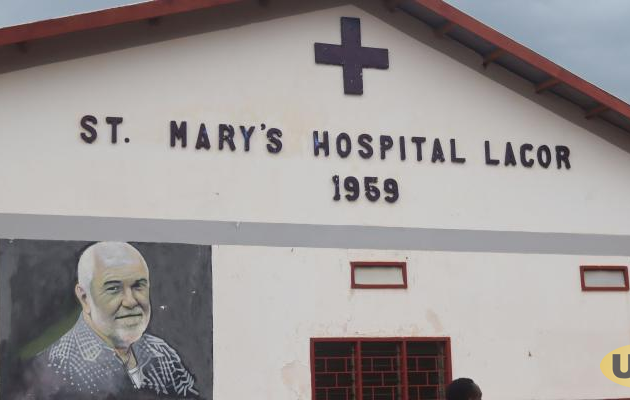
Lacor Hospital’s move to recycle waste is a practical, eco-friendly strategy to reduce costs while safeguarding salaries and improving operations. With staff cooperation, this initiative could become a model for sustainable healthcare management across Uganda.
St. Mary’s Hospital Lacor in Gulu is exploring waste recycling as a strategic move to reduce escalating operational costs amid growing financial pressures. As one of Northern Uganda’s largest private, not-for-profit health facilities, Lacor Hospital struggles to meet expenses including staff salaries and waste management, prompting innovative solutions to maintain smooth operations.
Dr. Dominique Atim Corti, President of the Corti Foundation, revealed that the hospital spends up to 2 million shillings monthly on waste disposal. By recycling and composting a portion of this waste, the hospital could save approximately 24 million shillings annually enough to cover the salaries of up to 250 employees.
“Treating domestic waste within the hospital instead of sending it to the Gulu dump benefits both the environment and the hospital,” Dr. Corti said. She emphasized that proper segregation of waste by hospital staff is crucial to realizing these savings. “By refusing to separate waste, staff are effectively discarding funds that could support salaries or improve services,” she noted.
Currently, Lacor Hospital generates roughly 300 kilograms of waste daily, with food waste accounting for nearly 68 percent and green waste about 3 percent. A plan drafted by the Hospital Technical Department last year highlighted how this waste could be converted into compost manure, though staff participation has been limited.
In addition to recycling, the hospital has implemented a new administrative software system that has saved about 600 million shillings in food expenditures alone. Dr. Emmanuel Ochola, the hospital’s Scientific Director, also confirmed ongoing efforts to remove asbestos and cobalt materials from the facility, creating safer spaces for patients and staff.
Lacor largely relies on donor funding, which contributes significantly to its 15.5 billion shilling annual budget, while government support under the Primary Health Care program remains minimal. Recycling initiatives are part of a broader push to improve operational efficiency, protect the environment, and ensure the hospital can continue providing critical healthcare services to thousands of patients daily.