

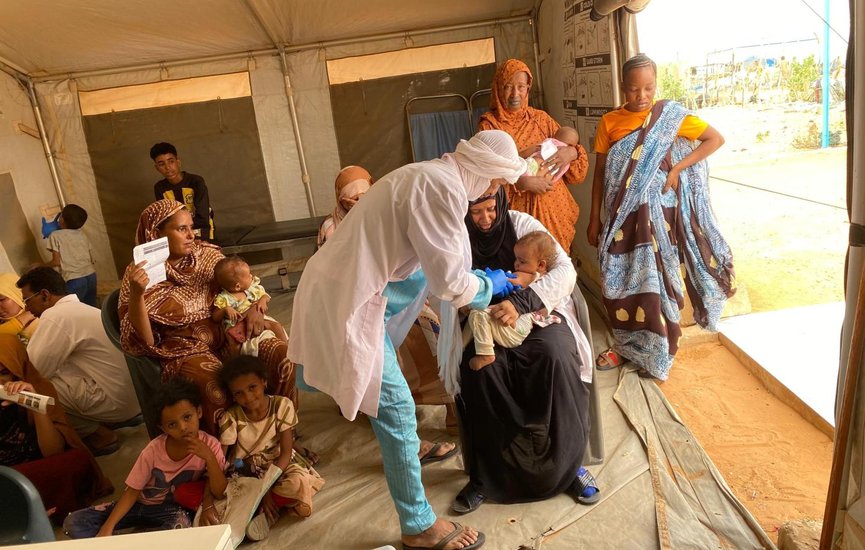
Every year on 19 August, the world pauses to celebrate World Humanitarian Day, a moment dedicated to honouring the women and men who, often under the harshest conditions, devote themselves to alleviating suffering and protecting human dignity. This year’s theme, “Strengthening global solidarity and empowering local communities,” shines a spotlight on the indispensable contributions of local actors whose hands‐on work forms the backbone of humanitarian response in every corner of the globe.
For Abidine Ould Sidewa, a nurse at the sprawling Mbera refugee camp in southeastern Mauritania, that mission is profoundly personal. Born and raised in Mali, he began his professional life not in a clinic but as a trader in Timbuktu. It was only after volunteering in community health outreach that he discovered what it truly means to listen, to support, and to heal. That revelation led him to pursue formal nursing training in 1998, and he has since dedicated his skills to serving anyone in need, regardless of nationality or circumstance.
In April 2024, Abidine joined the triage centre at Mbera, where he plays a pivotal role in the reception of new arrivals from Mali. Each day, he leads consultations, conducts malnutrition screenings, administers vaccinations for zero‐dose children, and facilitates health education sessions. By identifying illnesses before refugees merge into the daily rhythms of camp life, his team has driven down preventable deaths and ensured that the most vulnerable receive timely care.
Children and women form the majority of patients Abidine sees. He regularly treats acute respiratory infections, malaria, diarrhoeal diseases, measles and—above all—malnutrition. In Mbera’s remote desert setting, these conditions are exacerbated by limited access to healthcare, scarce safe drinking water and diets lacking essential nutrients.
To bridge these gaps, Abidine tailors his outreach to each community. He meets with mothers under the shade of tamarisk trees, holds frank discussions with youth groups and enlists local leaders to champion public health messages. He underscores the life‐saving power of vaccines, demonstrates simple hygiene practices, highlights the dangers of unattended births and promotes exclusive breastfeeding. By embedding these lessons in familiar cultural contexts, he nurtures trust and sparks lasting behaviour change.
One encounter from 2022 remains etched in Abidine’s memory. A pregnant refugee woman, alone with two severely malnourished children, arrived at the camp in deep distress. Initially, her religious convictions and exhaustion made her wary of medical intervention. Abidine devoted hours to earn her confidence—respecting her beliefs, patiently explaining each step, and assuring her that care need not conflict with faith. He arranged her transfer to a nearby health centre, organized therapeutic feeding for her little ones and stayed by her side until the safe delivery of a healthy baby. When she finally thanked him through tears, he realized the true power of empathy in healing.
Today, Abidine sees a camp in transition. Refugees are no longer passive beneficiaries but proactive participants, asking questions, volunteering in health committees and collaborating with local authorities, including the police, to streamline arrivals. This shift signals a broader evolution: humanitarian action is moving beyond crisis response toward recovery, resilience and community ownership.
For Abidine, the ultimate goal is simple but profound. Reaching the most vulnerable means more than dispensing medicine or rations—it means affirming every person’s right to safety, health and hope. By empowering local communities to care for themselves, humanitarian aid plants the seeds of a fairer, more dignified future—one where solidarity transcends borders and humanity triumphs over despair.