

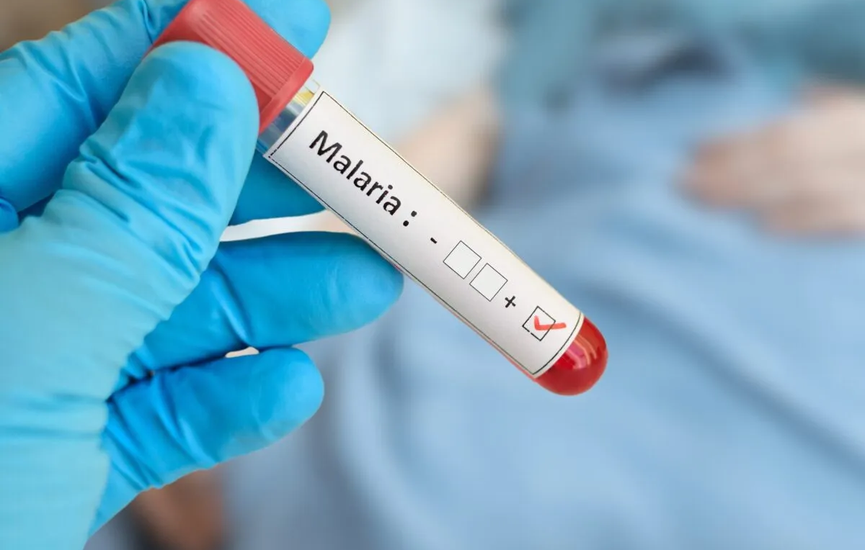
KAMPALA, Uganda — Alice Nekesa never knew she had contracted malaria until it was too late. In the fourth month of her pregnancy last year, she started bleeding and later suffered a miscarriage, which was attributed to untreated malaria.
Reflecting on her loss, she said, "I regret losing what would have been my second child because I didn’t detect and treat malaria early."
Similar cases are frequently reported by Ugandan health workers, who often witness stillbirths or newborns who die from undiagnosed malaria within days. These deaths contribute to the broader toll malaria takes in Africa, where it remains the deadliest mosquito-borne disease. Although the disease is treatable in adults who receive timely care, it's a major challenge for infants who cannot tolerate standard medications.
A significant breakthrough came last month when Swiss medical regulators approved a treatment for babies weighing between 2 and 5 kilograms (roughly 4½ to 11 pounds). Developed by the Swiss pharmaceutical company Novartis, the medication, a sweet-tasting tablet that dissolves into a syrup, was fast-tracked in collaboration with the World Health Organization (WHO). The approval aims to increase access to critical treatment in developing countries. According to the WHO, malaria caused 95% of the estimated 597,000 deaths globally in 2023, with over 75% of those fatalities affecting children.
In Uganda, a country of 45 million people, nearly 12.6 million malaria cases were reported in 2023, along with nearly 16,000 deaths, many of which were among children under 5 and pregnant women, the WHO noted. Alongside Nigeria and Congo, Uganda faces a significant malaria burden in Africa, where the disease is spread through the bites of mosquitoes breeding in stagnant water.
The newly approved drug, known as Coartem Baby or Riamet Baby in different countries, is a combination of two antimalarials. It offers a lower dose than the version used for older children, eliminating the need for complex dosage adjustments when treating infants. Before this, doctors had to carefully adjust higher-dose medications designed for older children, risking overdose or toxicity.
Ugandan health officials, who are updating clinical guidelines for malaria treatment, plan to introduce the new drug as soon as possible, though it’s not yet available in public hospitals. Local health workers are hopeful, with some pharmacies already stocking the medication, which is flavored with orange or mango to make it more palatable for infants.
During Uganda’s malaria season, which coincides with the rainy periods twice a year, long lines of sick patients, including many women with babies, can be seen outside health centers. Health workers are now more attuned to the possibility of malaria, even when other serious conditions like sepsis are present in newborns.
Ronald Serufusa, Wakiso District’s malaria coordinator, expressed optimism that Coartem Baby would soon be available, stressing the importance of educating the public about proper treatment adherence.
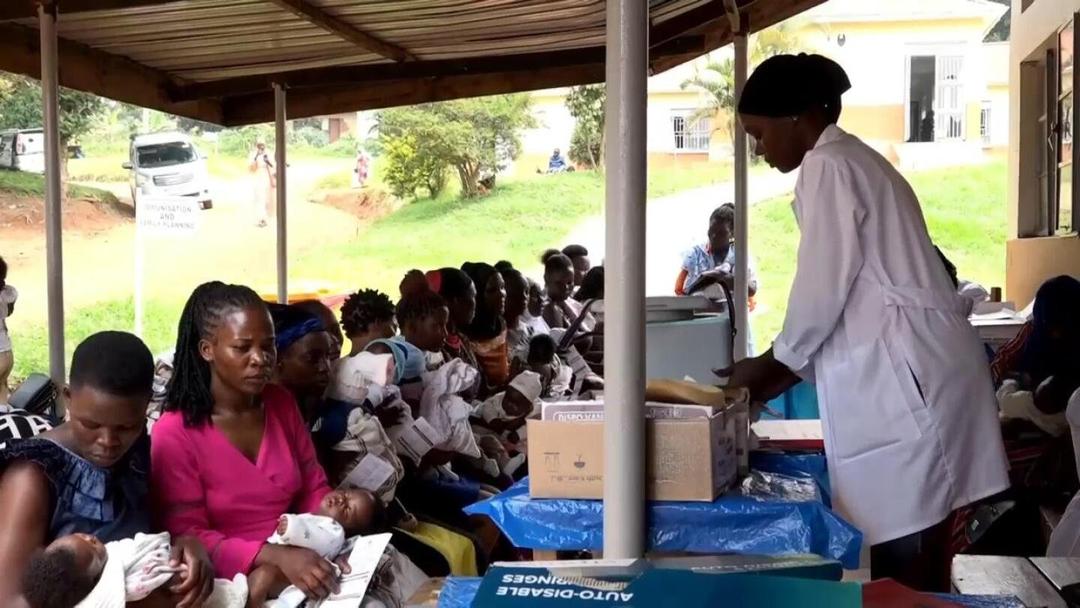
Photo: AP
The Malaria Consortium, a global nonprofit, called the approval of Coartem Baby "a major leap forward for saving the lives of young children in malaria-affected countries."
In addition to Uganda, the drug will be introduced in Burkina Faso, Côte d'Ivoire, Kenya, Malawi, Mozambique, Nigeria, and Tanzania.