

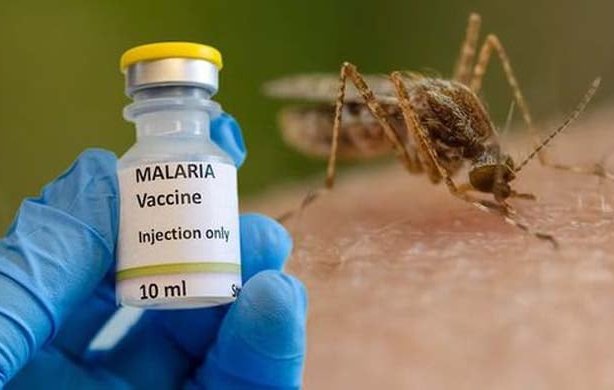
Kigali, Rwanda | After nearly a decade of progress in reducing malaria, Rwanda is confronting an unexpected resurgence and early signs of treatment resistance, prompting health authorities to reconsider vaccine interventions the country had previously declined.
Between 2016 and 2023, Rwanda achieved a remarkable reduction in malaria cases, falling from nearly five million infections to just 430,000—a 90 percent decline—according to the Rwanda Biomedical Centre (RBC). Annual deaths also dropped from 650 in 2016 to 67 in 2023, with more than two dozen districts entering the malaria pre-elimination phase.
However, the trend reversed in 2024. By October, Rwanda had recorded 620,000 malaria cases an increase of nearly 200,000 compared to the same period in 2023. October alone accounted for 112,000 cases, almost 90 percent of which were concentrated in just 15 districts.
“This surge is unprecedented since 2016,” said Aimable Mbituyumuremyi, division manager for malaria and other parasitic diseases at RBC. “We anticipated a continued decline, not a sharp increase. We are seriously considering the use of vaccines since traditional measures have not fully contained the disease.”
Rwanda had initially opted out of the first phase of malaria vaccine distribution in 2023, confident in its declining case numbers. Now, following the surge, authorities are exploring the possibility of joining the 17 African countries that have already rolled out the WHO- and Gavi-supported malaria vaccines.
Several factors are believed to contribute to the resurgence. Preliminary RBC data indicate growing resistance to artemisinin-based drugs, shifts in mosquito behavior, and environmental changes that have expanded breeding sites. Increasingly, mosquitoes are biting outdoors, raising infection risks for individuals outside at night. Cross-border transmission in areas such as Nyagatare, Gisagara, and Bugesera also appears to be driving case numbers.
Rwanda has responded by deploying alternative anti-malaria treatments, implementing a multiple first-line drug strategy, and continuing robust control measures, including indoor residual spraying and widespread mosquito net distribution, with more than US$1.5 million invested per district in a dozen high-risk areas.
Despite the sudden setback, Rwanda remains committed to its 2030 malaria elimination goal. Authorities are now re-evaluating the national strategy, with vaccine adoption forming a potential component of a broader, multi-pronged approach to combat malaria.