

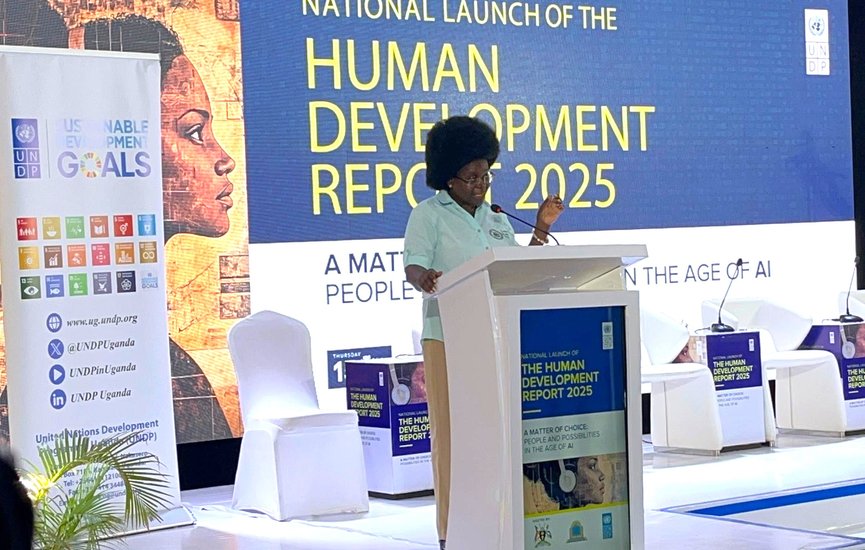
Uganda has made significant strides in human development over the past three decades, moving from the low to the medium human development category according to the latest United Nations Development Programme (UNDP) data. These gains reflect improvements in health, education, and income, demonstrating that national policies and development initiatives have positively impacted the quality of life for many Ugandans. Yet, despite this progress, challenges remain in ensuring that growth is inclusive and benefits all segments of society.
The Human Development Index (HDI), which measures life expectancy, education, and standard of living, shows that Uganda’s HDI rose from 0.342 in 1990 to 0.582 in 2023. This represents a growth rate faster than the sub-Saharan African average and highlights Uganda’s relative progress compared to regional peers. Key drivers of this improvement include expanded access to education, higher literacy rates, longer life expectancy, and increased national income.
Education has been a cornerstone of Uganda’s human development progress. The introduction of Universal Primary Education in 1997 dramatically increased school enrolment, ensuring that millions of children gained access to formal education. Adult literacy rates have risen significantly, and higher education institutions have expanded, providing more opportunities for skill development and professional advancement. These investments in education are crucial for equipping the youth with the knowledge and capabilities needed to contribute meaningfully to the economy.
In the health sector, Uganda has recorded remarkable improvements. Life expectancy at birth has risen from the mid-40s in the 1980s to approximately 68 years today, surpassing many countries in the region. Expanded immunization programs, improved maternal healthcare, and reductions in infant and maternal mortality rates are all evidence of strengthened health systems. These achievements have enhanced population well-being and created a more productive workforce capable of supporting national development.
Economic growth has also contributed to higher human development outcomes. Uganda’s gross national income per capita has increased steadily, improving household incomes and access to essential services. While economic gains have not been evenly distributed across regions or social groups, rising income levels have provided a foundation for better living standards and increased opportunities for upward mobility.
Despite these successes, significant challenges persist. Inequality, gaps in access to quality services, and regional disparities remain major obstacles to equitable development. Vulnerable groups, including rural communities, women, and persons with disabilities, often face barriers to education, healthcare, and economic participation. Experts stress that sustained progress will require continued investments in human capital, targeted social policies, and inclusive economic strategies that ensure no citizen is left behind.
Uganda’s human development record tells a story of notable achievement coupled with persistent challenges. The progress made over the past three decades provides a strong foundation for further growth, but ongoing reforms and strategic interventions are needed to ensure that all Ugandans can fully benefit from the country’s development journey. Strengthening education, healthcare, and economic inclusion will be essential to achieving a more equitable and prosperous future for the nation.