

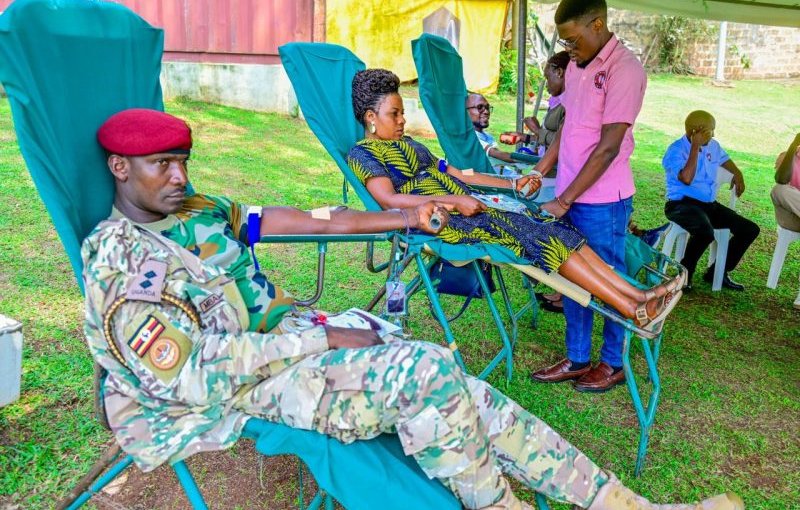
Uganda is grappling with a persistent HIV crisis, with five citizens infected every hour totaling roughly 100 new cases daily and costing the government Shs1.4 trillion annually in treatment. The warning was issued during a health week hosted at State House, where officials, health experts, civil society, and faith leaders convened to push for prevention, testing, and treatment as the nation aims to end HIV and AIDS as a public health threat by 2030.
State House highlighted that 1.5 million Ugandans currently live with HIV, of whom 1.3 million are on treatment. Despite progress, the country still recorded 37,000 new infections and 20,000 AIDS-related deaths last year, largely driven by multiple sexual partnerships, low condom use, transactional sex, and reluctance by men to test or start treatment.
Faith leaders played a crucial role in raising awareness, with Rev. Canon Gideon Byamugisha, Africa’s first openly HIV-positive priest, sharing his experiences of stigma and urging communities to prioritize science, treatment, and support. Experts emphasized preventive measures, including routine health checks, blood donation, and the use of Pre-Exposure Prophylaxis (PrEP) and other innovative options to reduce transmission, particularly among pregnant women.
The health week underscored that achieving Uganda’s 2030 health goals requires collective action. Citizens were called upon to test regularly, embrace treatment, donate blood, and adopt healthier lifestyles, while communities were urged to combat stigma and support people living with HIV. With sustained commitment from government, civil society, and individuals, Uganda can curb new infections and reduce the social and economic burden of HIV.
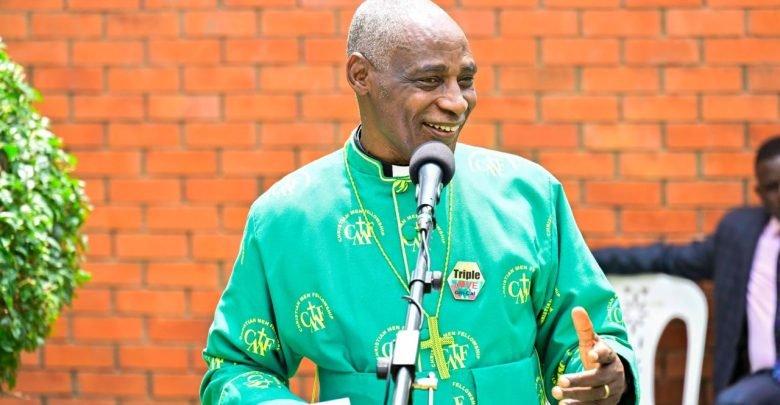
Rev Gideon Byamugisha speaking during the health week
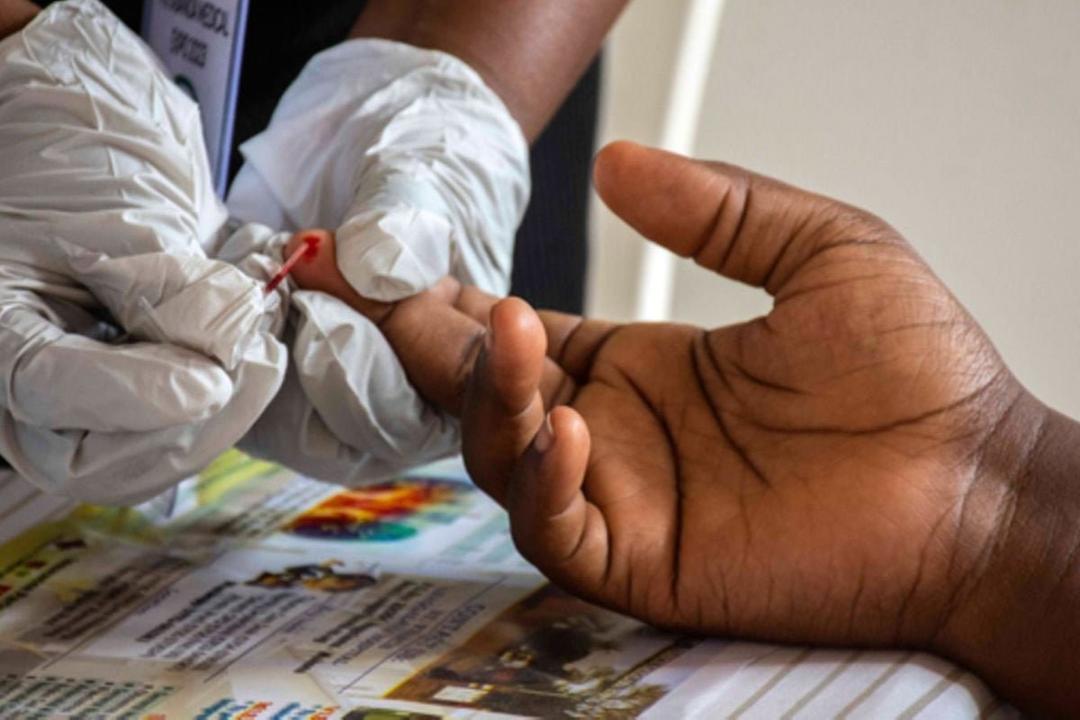
State House staff being tested for HIV