

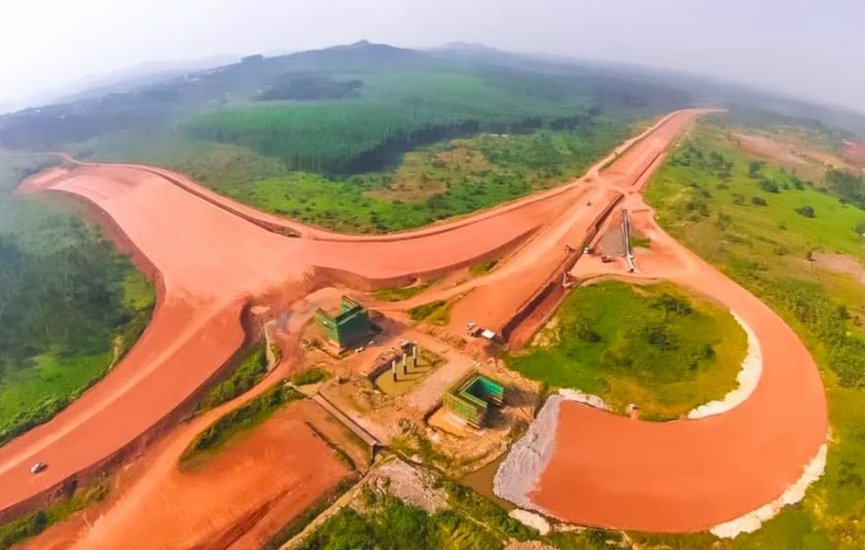
KAMPALA | Uganda’s government is seeking parliamentary approval to borrow an additional Shs 830 billion (about $204 million) to complete the long-delayed Busega–Mpigi Expressway, a project meant to ease traffic congestion on the busy Kampala–Masaka corridor.
Permanent Secretary Ramathan Ggoobi for the Ministry of Finance, Planning and Economic Development told lawmakers on Wednesday that the funds would come from the African Development Bank and the African Development Fund, after earlier allocations proved insufficient.
The four-lane, 23.7-kilometer expressway, under construction since 2020, has been plagued by delays and cost overruns. Originally scheduled for completion in 2023, the project is now expected to be finished no earlier than 2026.
Officials argue the highway is critical for reducing gridlock on the Kampala–Masaka road, improving connections to western Uganda, and cutting transport costs for goods moving to Rwanda and the Democratic Republic of Congo.
Progress, however, has been hampered by a host of obstacles from property disputes and cultural sensitivities such as the Nabukalu tree, to right-of-way challenges, COVID-19 lockdowns, and repeated contractor delays. The project was also redesigned to reduce displacement of communities, slowing progress while driving up costs.
An Auditor General’s report noted that the initial contract was signed before detailed designs were ready, forcing major revisions and inflating expenses. Funding gaps and delayed government payments have further strained progress.
Despite these setbacks, the government maintains the expressway will transform travel, reducing the journey between Busega and Mpigi from more than two hours at peak times to under 30 minutes. The road will feature dual carriageways and grade-separated interchanges.
The expressway is part of a broader infrastructure agenda under President Yoweri Museveni, which includes the Kampala–Jinja expressway and the Kampala flyover. But with Uganda’s public debt nearing 54% of GDP, critics warn that mounting borrowing and weak project planning are placing unsustainable pressure on the economy.