

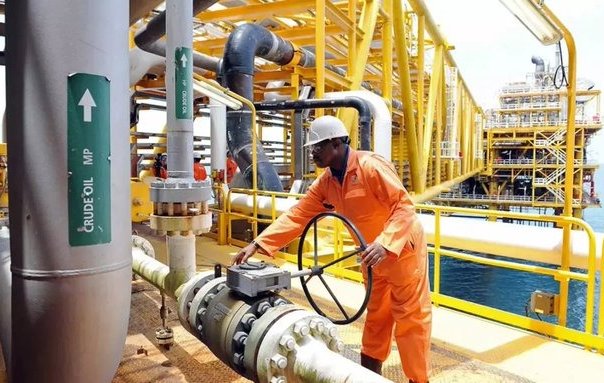
Uganda’s oil and gas sector is making headlines for its upcoming first production, but the story behind the scenes is just as compelling. Beyond pipelines and barrels, the country is achieving a quieter, yet transformative goal: retaining value within its borders while empowering Ugandan businesses and workforce.
Government policy has deliberately focused on embedding oil wealth into the local economy. Out of 5,280 contracts worth US$5.255 billion awarded so far, Ugandan companies have secured 4,511 contracts valued at US$2.12 billion—roughly 40% of total contract value. This is money flowing directly into Ugandan businesses, households, and communities.
Skill development has been central to this strategy. Over 13,000 Ugandans have been trained and certified in fields ranging from welding and heavy goods vehicle operation to electrical and civil engineering. Currently, 800 young Ugandans are undergoing internationally certified training in pipe fitting, welding, electrical installation, and instrumentation, preparing to join the Tilenga Project. Additionally, 100 graduates of the Tilenga Academy have been sent abroad for advanced training in France, Malaysia, and Oman, returning to manage production-phase operations.
Local enterprise participation is equally strong. More than 2,400 companies have engaged in Tier One and Tier Two contracts, with 89% being Ugandan suppliers. Programs like the Community Supplier Development Program (CSDP) are helping SMEs overcome financial and technical barriers, while informal businesses such as transporters, welders, and fabricators are formalizing and scaling up to meet international standards.
The sector has also generated significant employment. More than 17,000 direct jobs and 39,567 indirect jobs have been created, with over 90% of direct employees being Ugandan. Ugandans now occupy 63% of management roles, 93% of technical positions, and 98% of support roles, proving that the oil sector can be locally led. At the community level, the Bunyoro sub-region alone has seen UGX 121 billion (US$33.4 million) spent on locally sourced goods and services.
Challenges remain, particularly in access to financing, compliance with stringent industry standards, and navigating complex procurement processes. Yet, programs that link SMEs to financial institutions, provide mentorship, and encourage joint ventures are helping bridge these gaps.
Uganda’s oil and gas journey is therefore about more than hitting first oil. It is a blueprint for leveraging natural resource wealth to build indigenous enterprises, retain value locally, and catalyze sustainable national development. If the focus on local content, skills, and value retention continues, Uganda’s oil will not only fuel global energy markets but also tell a story of resilience, innovation, and shared prosperity.
Takeaway: Uganda’s oil sector demonstrates that first production is just the start; maximizing local value through skills, jobs, and enterprise development will determine the nation’s long-term gains.