Guinea-Bissau
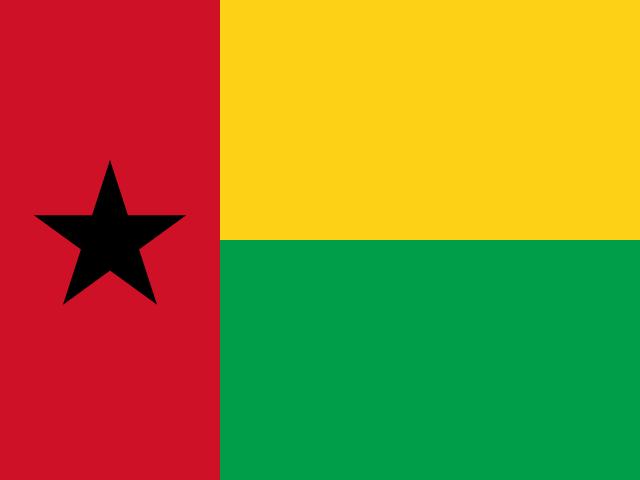
Guinea-Bissau is a small West African country on the Atlantic coast, with Bissau as its capital. It gained independence from Portugal in 1974. Known for its ethnic diversity and the Bijagós Islands, the country relies mainly on cashew exports and agriculture but faces political and economic challenges.

Western Africa

36,125 sq km

GMT+0

2.23 million (Jan 2025)

Portuguese, Kriol

Islam, Traditional African Religions

West African CFA franc

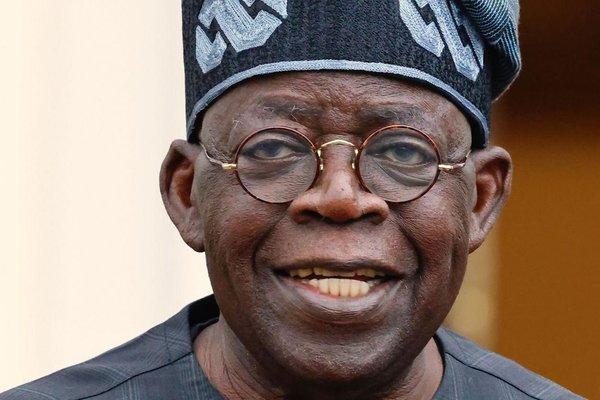
President Umaro Sissoco Embalo
Brief
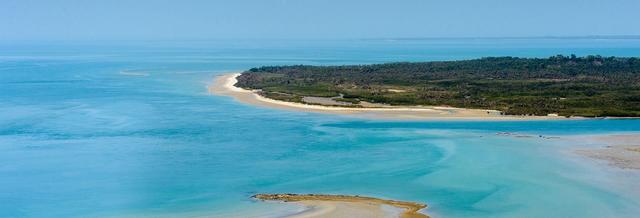
Guinea-Bissau is a small, coastal country located in West Africa, bordered by Senegal to the north and Guinea to the south and east. It gained independence from Portugal in 1974 after a long liberation struggle, with Portuguese remaining its official language. The country has an estimated population of about 2.2 million people, with Kriol (a Portuguese-based creole) widely spoken as the lingua franca. Guinea-Bissau’s diverse ethnic groups contribute to its rich cultural heritage, and the nation is home to the Bijagós Archipelago, a UNESCO-recognized biosphere reserve known for its unique biodiversity.
Economically, Guinea-Bissau relies heavily on agriculture, especially cashew nut production, which accounts for the majority of its export earnings. Fishing and subsistence farming also play significant roles in the livelihoods of many citizens. Despite its natural resources and potential, the country faces considerable challenges, including political instability, weak infrastructure, and limited access to healthcare and education. Guinea-Bissau operates as a semi-presidential republic, with President Umaro Sissoco Embaló currently leading the nation. The country’s location along the Atlantic coast and its diverse environment offer both opportunities and challenges for sustainable development.
Photos
National Anthem
Cultural Life
Cultural milieu
Guinea-Bissau, on West Africa’s coast, has a rich and diverse cultural milieu shaped by indigenous traditions and Portuguese colonial influence. Home to over 20 ethnic groups—such as the Balanta, Fula, Mandinka, and Manjaco—the country reflects a vibrant mix of languages, music, rituals, and customs.
While Portuguese is the official language, Kriol is widely spoken and serves as a cultural bridge across communities. Music, especially gumbé, plays a vital role in expressing identity and social messages, often rooted in traditional drumming and storytelling.
Religious and cultural ceremonies blend African beliefs with Christianity and Islam, highlighting a deep respect for ancestral heritage. Despite modern pressures, Guinea-Bissau continues to celebrate and preserve its cultural identity through festivals, oral traditions, and local arts.
Daily life and social customs
Daily life in Guinea-Bissau is strongly influenced by tradition, community, and the rhythms of rural living. Most people engage in agriculture, fishing, or small-scale trade, with extended families often living together and sharing responsibilities. Community ties are vital, and social life revolves around family gatherings, markets, and religious or cultural events.
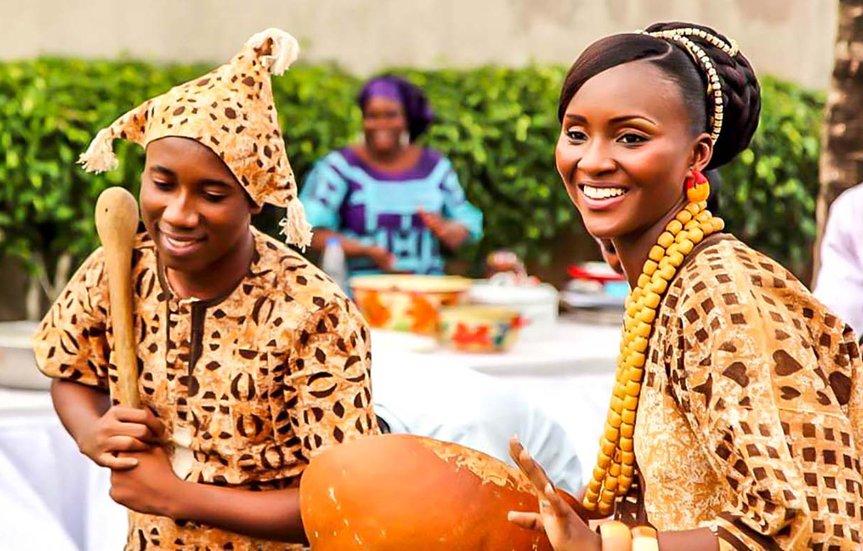
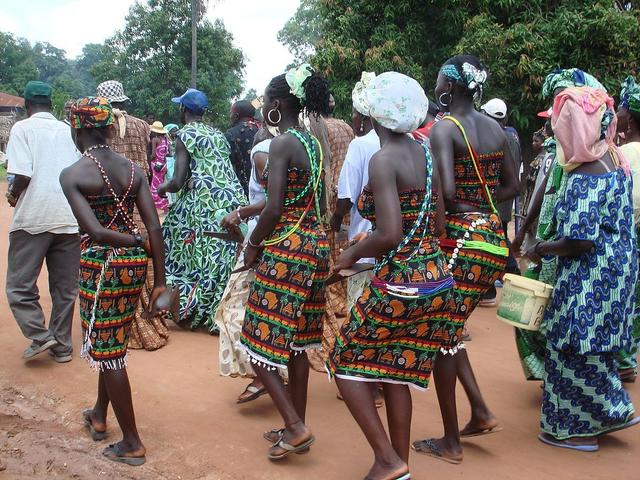
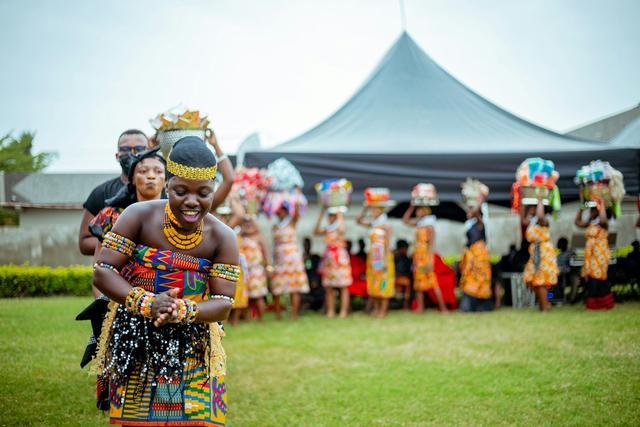
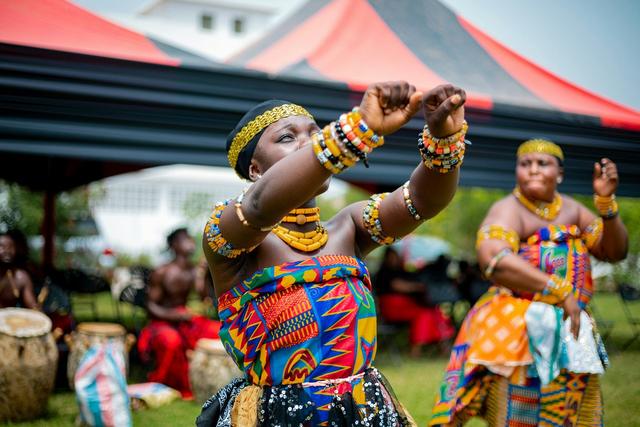
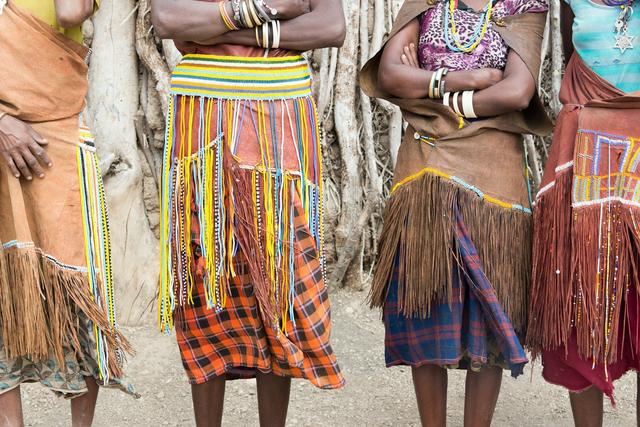
Respect for elders is deeply rooted, and greetings play an important role in daily interactions. Traditional attire is still commonly worn, especially during ceremonies, while everyday dress blends local and Western styles.
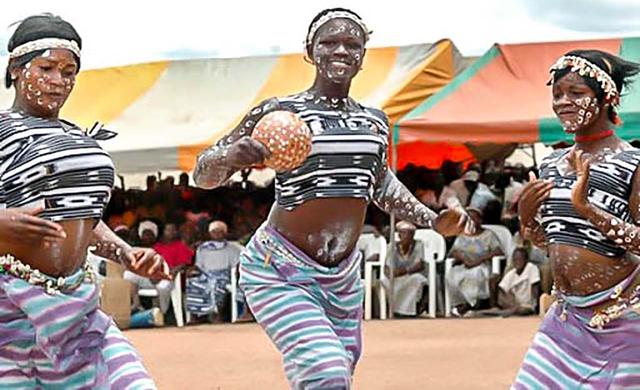
Music and dance are integral to social life, often performed during weddings, naming ceremonies, and festivals. Hospitality is highly valued visitors are usually welcomed with food, drink, and warm conversation. Though modern influences are present in urban areas like Bissau, rural communities continue to uphold time-honored customs and collective values.
Cuisine
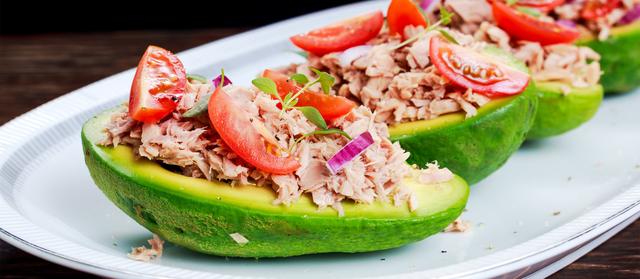
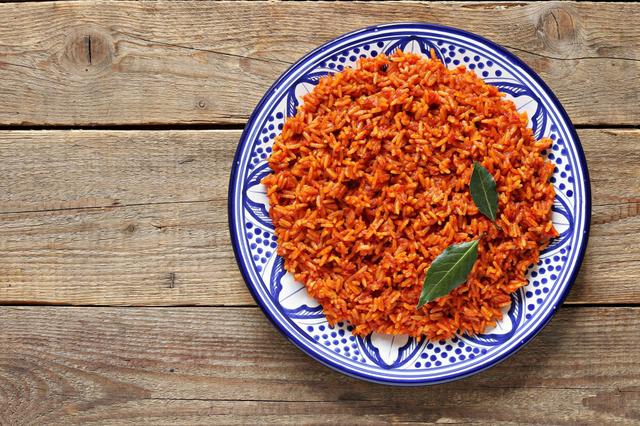
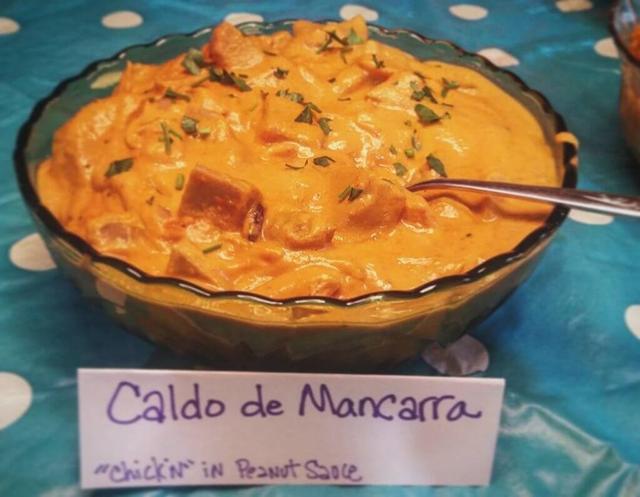
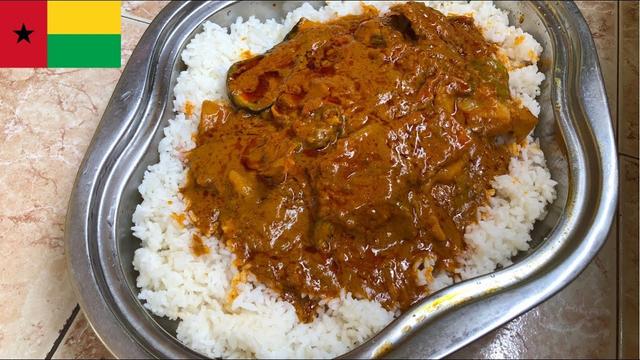
Guinea-Bissau’s cuisine blends West African flavors with Portuguese influence. Rice is a staple, often served with spicy fish, chicken, or peanut stews. Common dishes include yassa, caldo, and jollof rice. Local ingredients like cassava, palm oil, and chili peppers are widely used, along with tropical fruits such as mangoes and cashews. Meals are typically shared in groups, reflecting the country's strong sense of community.
Music
Music in Guinea-Bissau is a key part of cultural expression, blending traditional rhythms with modern styles. The most distinctive genre is gumbé, a fusion of local drumming, call-and-response vocals, and Afro-Portuguese influences. Other styles include kussundé and morna, often performed during ceremonies, festivals, and social gatherings. Music serves not only for entertainment but also to tell stories, preserve history, and unite communities.
Gumbe (or Gumbé)
Description:
Gumbe is the most iconic traditional music genre in Guinea-Bissau. It’s a rhythmic blend of African percussion and Portuguese Creole influences. Traditionally played with drums like the kalabasse and djembe, Gumbe is often used in storytelling, rituals, and political expression.
Kussundé
Description:
Kussundé is a traditional music and dance style of the Mandinga ethnic group. It features polyrhythmic drumming, clapping, and call-and-response vocals, often used in community gatherings and rites of passage.
Modern Bissau-Guinean Pop
Description:
This genre blends traditional rhythms like Gumbe with modern styles such as Kizomba, Zouk, and Reggaeton. It's popular among the youth and diaspora communities.
The arts
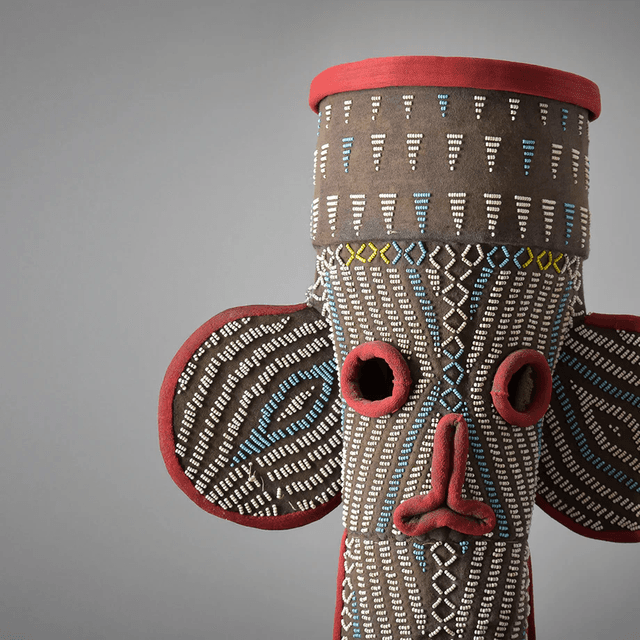
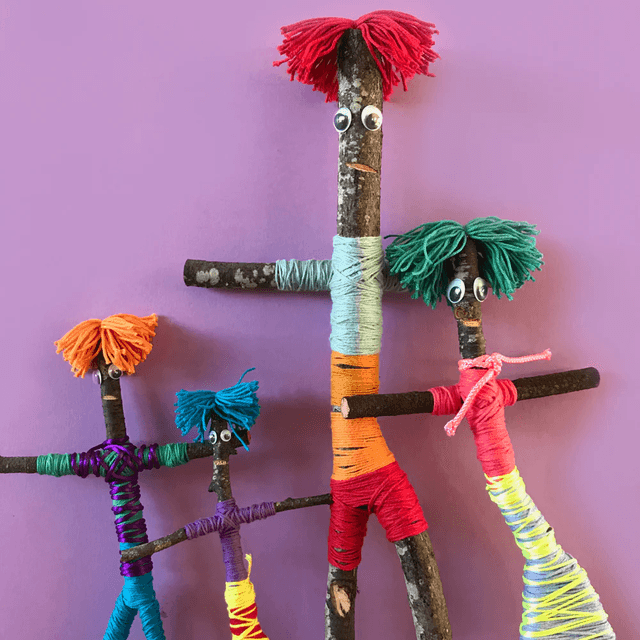
The arts in Guinea-Bissau are rooted in tradition and community. Local crafts include wood carving, basket weaving, and pottery, often used in daily life or ceremonies. Visual arts reflect ethnic heritage, with symbolic patterns and natural themes. Oral storytelling, dance, and mask performances are key cultural expressions, especially during rituals and festivals. Though less developed commercially, the arts remain a strong medium for identity, history, and social connection.

People
Ethnic groups
Guinea-Bissau is home to over 20 ethnic groups, including the Balanta, Fula, Manjaco, Mandinka, and Papel, each contributing to the country’s rich cultural mosaic. The coastal and island regions, shaped by centuries of trade and Portuguese colonial influence, showcase a blend of African and European heritage. Portuguese is the official language, but Guinea-Bissau Creole (Kriol) is widely spoken and serves as a unifying medium among diverse communities. Despite its ethnic variety, the nation shares a strong cultural identity grounded in communal traditions, music, and language.

Religion
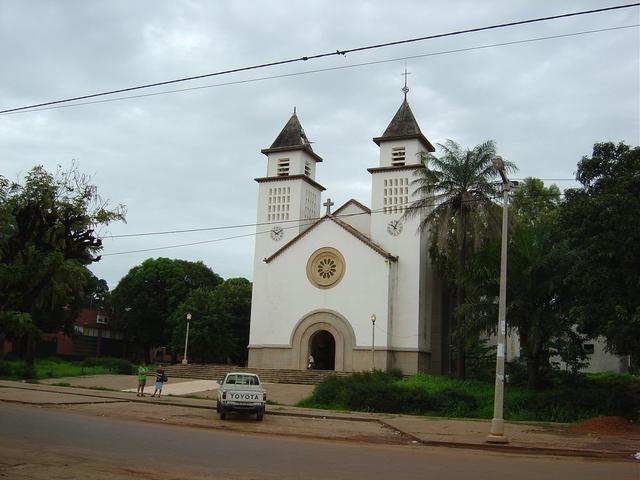
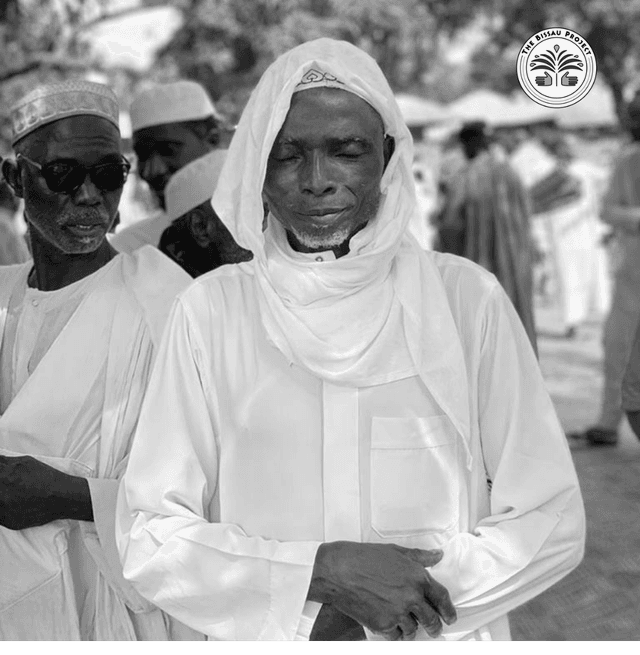
Guinea-Bissau is religiously diverse, with Islam and Christianity as the two main faiths. Approximately 40% of the population practices Islam, primarily among the Fula and Mandinka ethnic groups, while around 30% adhere to Christianity, mostly Roman Catholicism, a legacy of Portuguese colonialism. Traditional African beliefs remain influential and are often integrated with these religions, shaping local customs and community life. This religious diversity coexists peacefully and plays a significant role in the country’s cultural fabric.
Settlement patterns
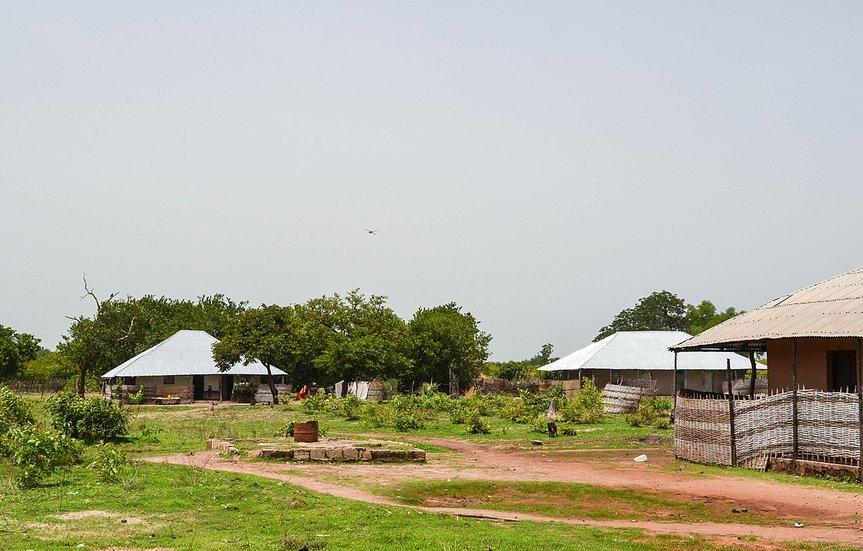
Nucleated Settlements
These are clustered villages or towns where homes, markets, and public facilities are built close together. Found mostly in fertile regions like Oio and Bafatá, they support agriculture and trade through close community interaction.
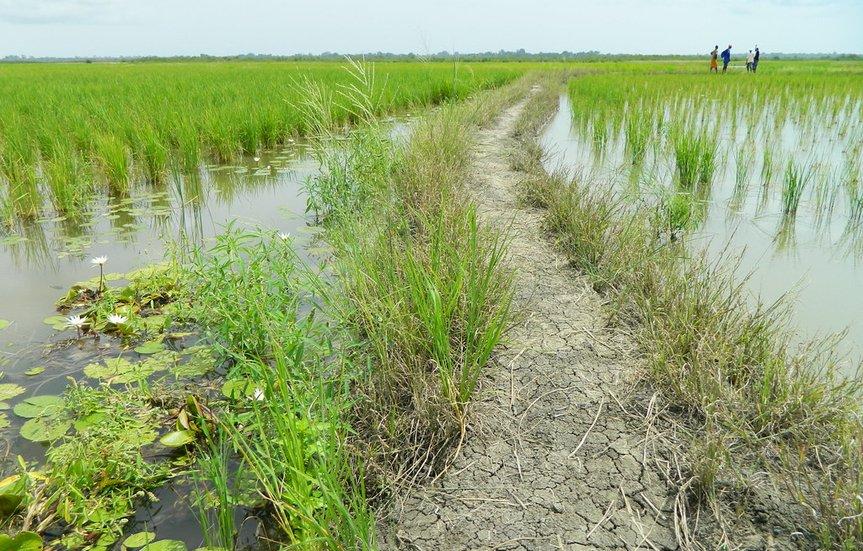
Dispersed Settlements
Common in forested and rural areas such as Gabú and Tombali, homes and farms are spread out over large distances. This pattern supports shifting agriculture and subsistence farming, often tied to ethnic traditions.
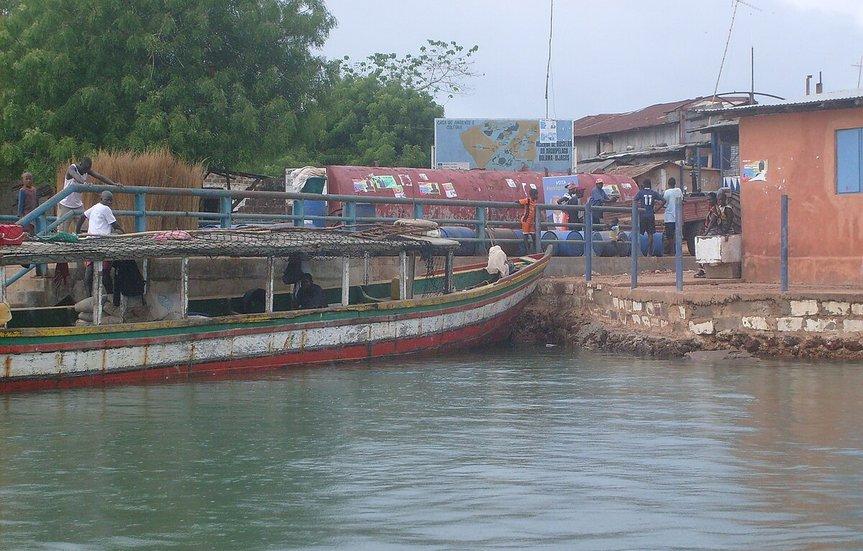
Linear Settlements
Found along rivers, roads, or coastlines especially in regions like Bolama and along the Cacheu River. Houses are arranged in a line, allowing for easy transportation and access to water bodies for fishing and trade.
Demographic trends
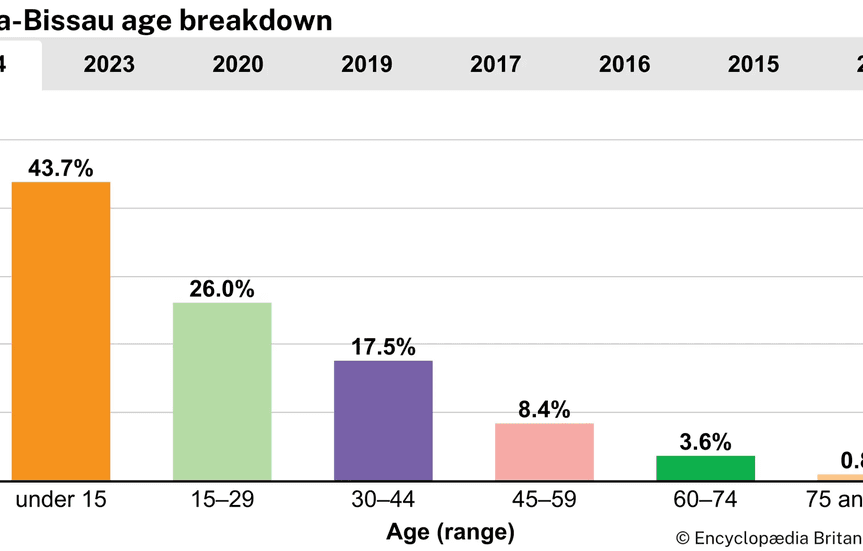
Guinea-Bissau has a predominantly young population, with a median age of just 18.3 years. Around 42.5% of its people are under the age of 15, reflecting a high birth rate and rapid population growth. The working-age group (15–64 years) makes up about 54.4%, while those over 65 account for just 3.1%. This youthful demographic means a high dependency ratio, with many children relying on the smaller working-age population. These trends present important challenges and opportunities for the country’s education, healthcare, and employment sectors as it works toward sustainable development.
Touristic Cities
Bissau
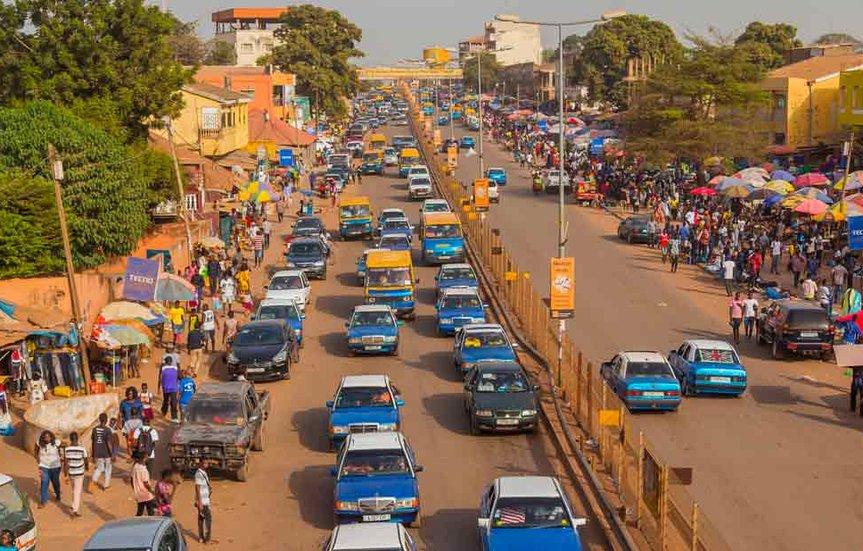
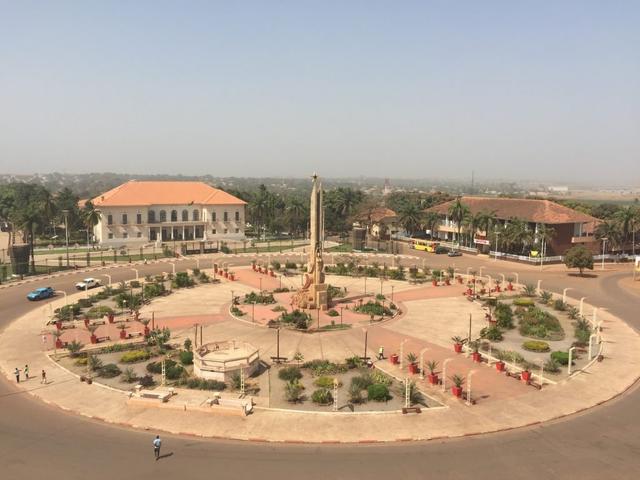
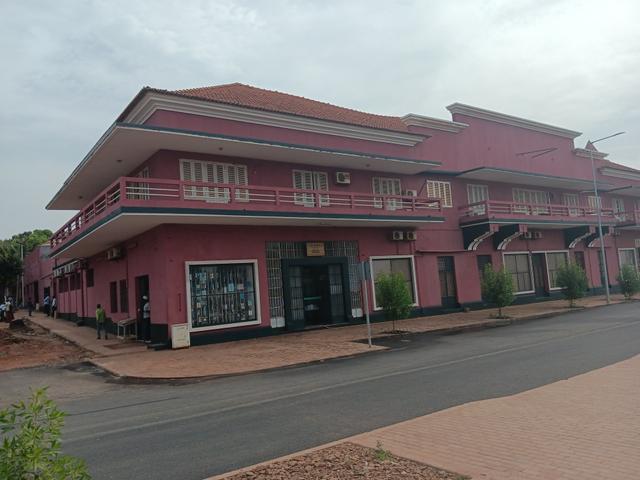
The capital city of Guinea-Bissau, Bissau, is a vibrant hub blending colonial architecture with lively markets and cultural sites. Visitors can explore the historic Fortaleza de São José, enjoy local cuisine, and experience the city’s unique mix of African and Portuguese influences.
Bubaque
Located in the Bijagós Archipelago, Bubaque is known for its stunning beaches, rich biodiversity, and tranquil atmosphere. It serves as a gateway for eco-tourists looking to explore the nearby Orango National Park, home to rare wildlife like saltwater hippos and sea turtles.
Cacheu
A historic town on the Cacheu River, Cacheu offers insights into Guinea-Bissau’s colonial past with its old fort and charming riverfront. It is also a center for traditional fishing communities and a starting point for river excursions.
Accommodation
Guest houses
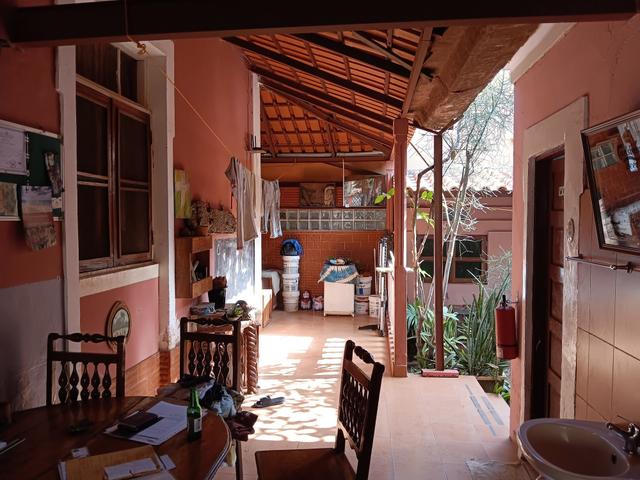
Travelers to Guinea-Bissau can find a growing number of guest houses that provide affordable and culturally immersive accommodations. These guest houses, especially in the capital Bissau and the Bijagós Islands, often feature basic amenities like mosquito nets and shared facilities, offering a comfortable stay close to local life. Prices typically range between $10 and $25 per night, making them a popular choice for budget travelers seeking to explore the country’s unique culture and natural beauty.
Hotels and Resorts
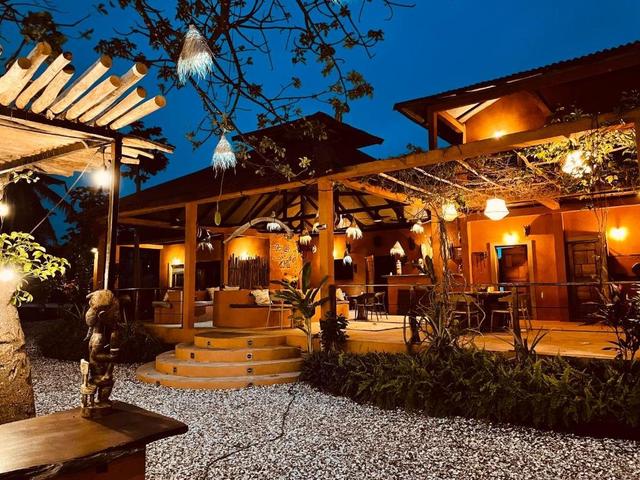
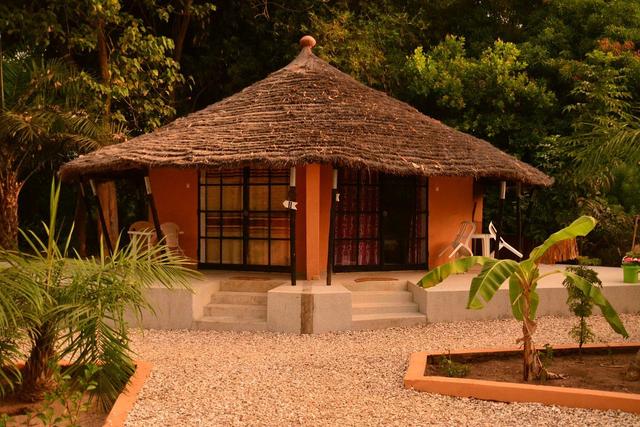
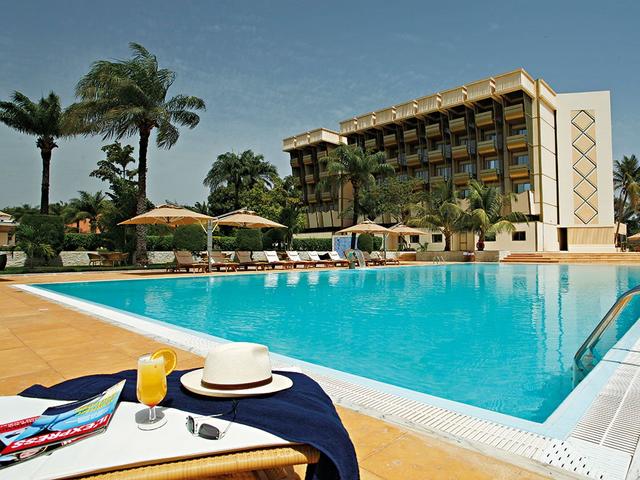
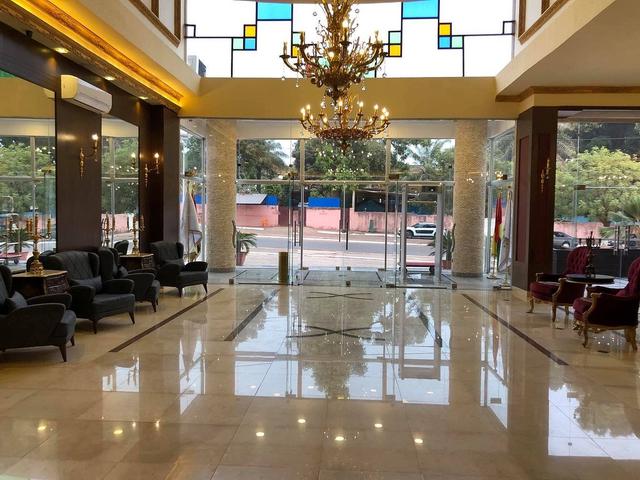
Guinea-Bissau's hospitality sector provides a range of accommodations, from upscale hotels in the capital to serene resorts in the Bijagós Islands. In Bissau, establishments like Hotel Ceiba Bissau and Dunia Hotel Bissau offer modern amenities, including air-conditioned rooms, swimming pools, and on-site dining, catering to both business and leisure travelers. For those seeking a more tranquil experience, the Bijagós Archipelago features eco-friendly resorts such as Ponta Anchaca and Dakosta Eco Retreat, where guests can enjoy beachfront bungalows, fresh local cuisine, and opportunities for wildlife viewing. These accommodations provide visitors with a comfortable base to explore Guinea-Bissau's rich culture and natural beauty.


Campings
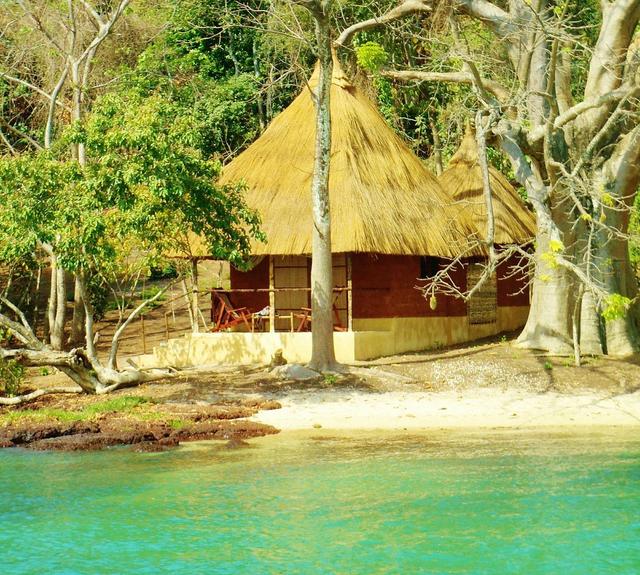
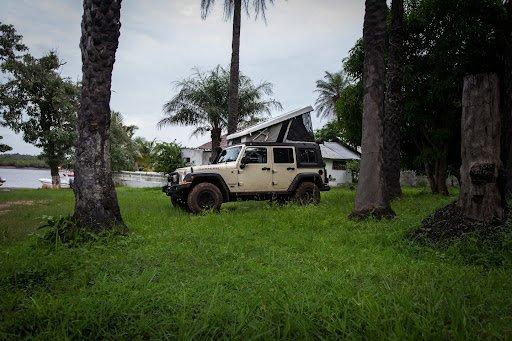
Guinea-Bissau offers adventurous travelers the opportunity to experience nature up close through camping, particularly in the pristine environments of the Bijagós Islands. While formal campsites are limited, visitors often set up tents on secluded beaches or near traditional villages, immersing themselves in the country's rich biodiversity and cultural heritage. The Bijagós Archipelago, a UNESCO Biosphere Reserve, is known for its untouched landscapes, saltwater hippos, and nesting sea turtles, making it a unique destination for eco-tourism. Travelers are encouraged to seek permission from local communities and adhere to environmental guidelines to ensure sustainable and respectful camping experiences.
Requirements for Visa
Documents to be submitted for your application
- Completed visa application form.
- Two recent passport-sized photos (4x3 cm, white background).
- Valid passport with at least 6 months remaining.
- Photocopy of passport’s personal details page.
- Proof of residence (ID or official document).
- Recent bank statement showing financial means.
- Legalized invitation letter if visiting family or friends.
- Travel itinerary or booking confirmation if using a tour operator.
At the time of visa issuance, please provide the following documents
- Original passport.
- Printed visa application form.
- Passport-sized photos (same as application).
- Proof of payment of visa fees.
- Invitation letter or travel itinerary (if applicable).
- Any additional documents requested by the embassy.
Economy of Guinea-Bissau
Agriculture, forestry, and fishing
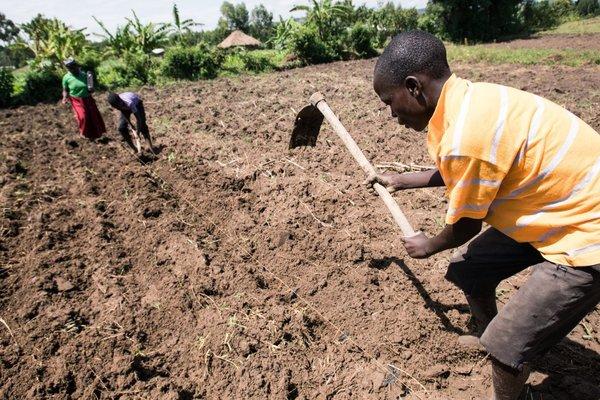
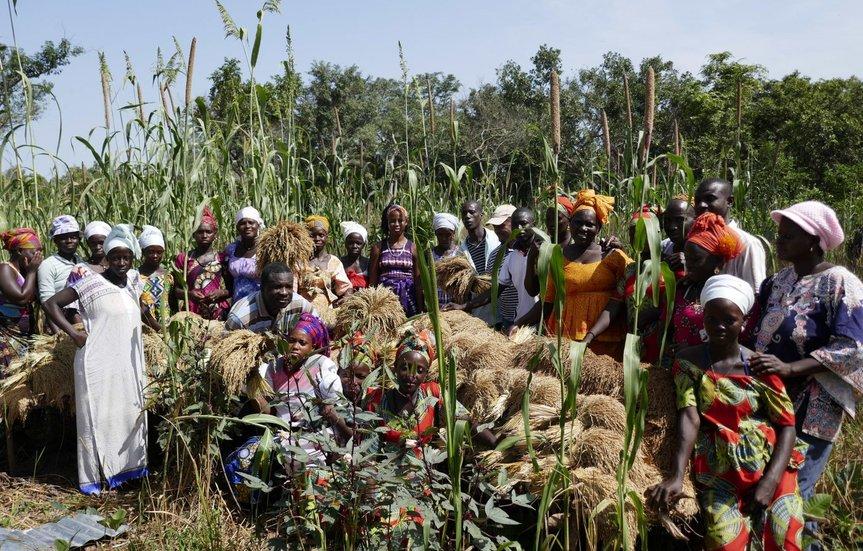
Agriculture, forestry, and fishing are vital to Guinea-Bissau’s economy and livelihoods. The majority of the population depends on small-scale farming, cultivating crops such as rice, cashews, millet, and peanuts. Cashew nuts are a key export product, contributing significantly to national income. The country’s vast mangrove forests support biodiversity and protect coastal areas, while fishing both artisanal and commercial provides food and income, especially along the Atlantic coast and in the Bijagós Archipelago. Despite challenges like limited infrastructure and climate vulnerability, these sectors remain central to Guinea-Bissau’s development.
Resources and power
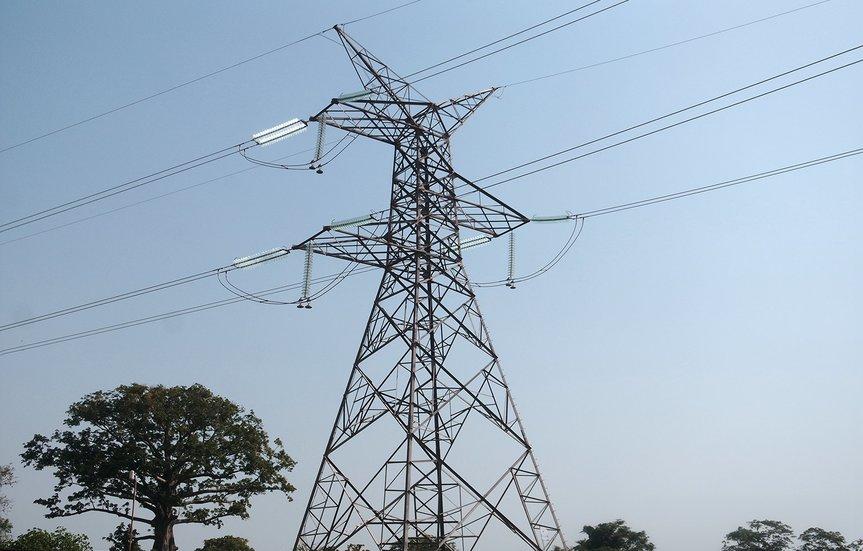
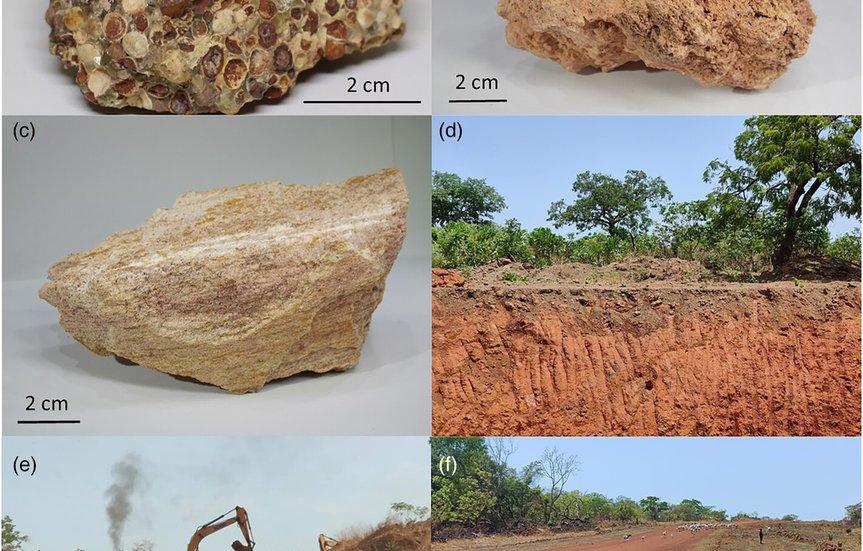
Guinea-Bissau is rich in natural resources such as bauxite and phosphate, though large-scale mining remains limited. The country faces challenges in energy access, with only about one-third of the population connected to electricity. To improve this, Guinea-Bissau is investing in renewable energy projects, particularly solar power, including a major solar plant near the capital and mini grids in the Bijagós Islands. These efforts aim to expand electricity access, promote sustainable development, and diversify the energy supply.
Manufacturing
Guinea-Bissau’s Manufacturing Sector Shows Signs of Growth Amid Challenges
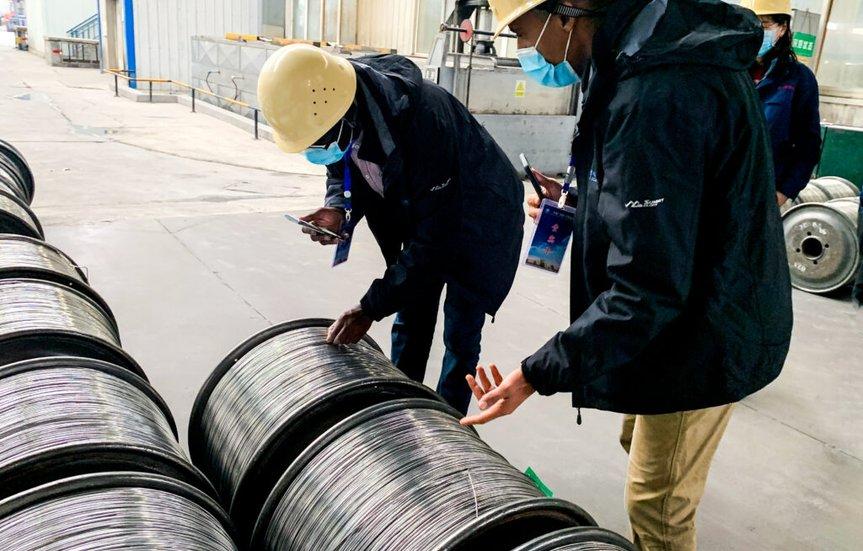
Guinea-Bissau’s manufacturing industry, though small, plays an important role in the country’s economy, contributing nearly 12% of GDP. The sector is dominated by small-scale artisanal activities such as basketry, blacksmithing, and tailoring, alongside food processing of rice, groundnuts, and seafood key exports to international markets. Despite infrastructure challenges and the lingering effects of past conflicts, the sector has experienced notable growth, with manufacturing output rising by over 30% in recent years. This upward trend signals potential for further development as Guinea-Bissau works to strengthen its industrial base.
Finance
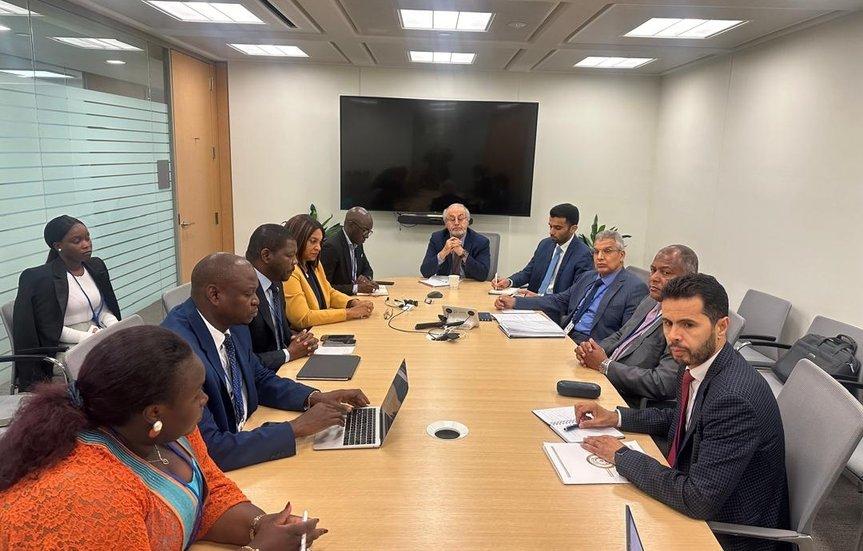
Guinea-Bissau’s financial sector remains underdeveloped, with limited banking access and a low penetration rate of just over 16%. The country has a handful of commercial banks and a small but growing microfinance sector. Recent innovations, such as the launch of a blockchain-based platform for managing public sector wages, have improved transparency and efficiency in government payments. Additionally, Guinea-Bissau has adopted international standards to enhance fiscal transparency. Despite challenges, efforts are underway to expand financial services, boost financial literacy, and support private sector growth.
Trade
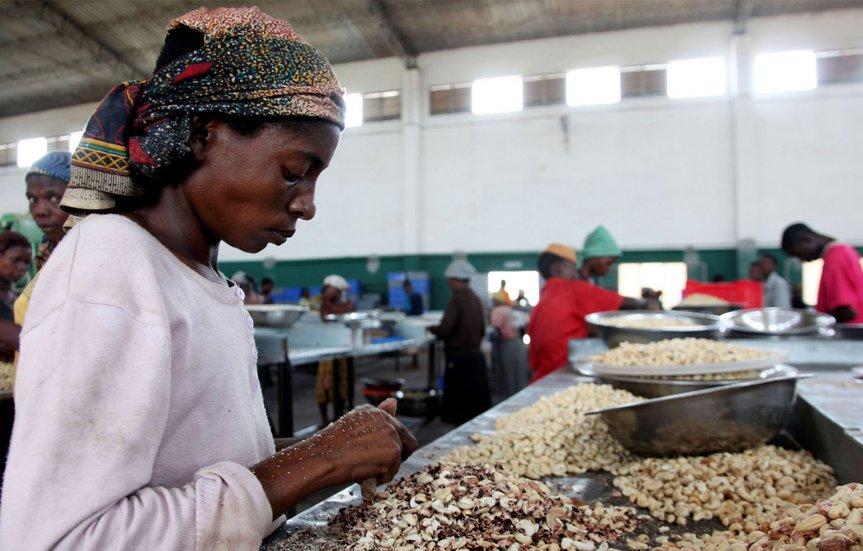
Guinea-Bissau's trade sector plays a pivotal role in its economy, contributing approximately 44% to the nation's GDP. The country is heavily reliant on a few key exports, with cashew nuts accounting for about 90% of its merchandise exports. India is the dominant destination for these exports, receiving over 90% of the cashew shipments. Other significant export markets include Côte d'Ivoire, Togo, and the Netherlands. On the import side, Guinea-Bissau's major suppliers are Portugal, Senegal, China, the Netherlands, and Spain, providing goods such as refined petroleum, rice, and construction materials. Despite the importance of trade, the country consistently faces a trade deficit, importing more than it exports. In 2022, imports amounted to USD 474 million, while exports were USD 213 million, resulting in a trade imbalance of USD 261 million. This structural deficit underscores the challenges Guinea-Bissau faces in achieving a balanced trade profile and highlights the need for economic diversification and infrastructure development to enhance its trade competitiveness.
Labour and taxation
Labour and Taxation in Guinea-Bissau: Challenges and Reform Efforts
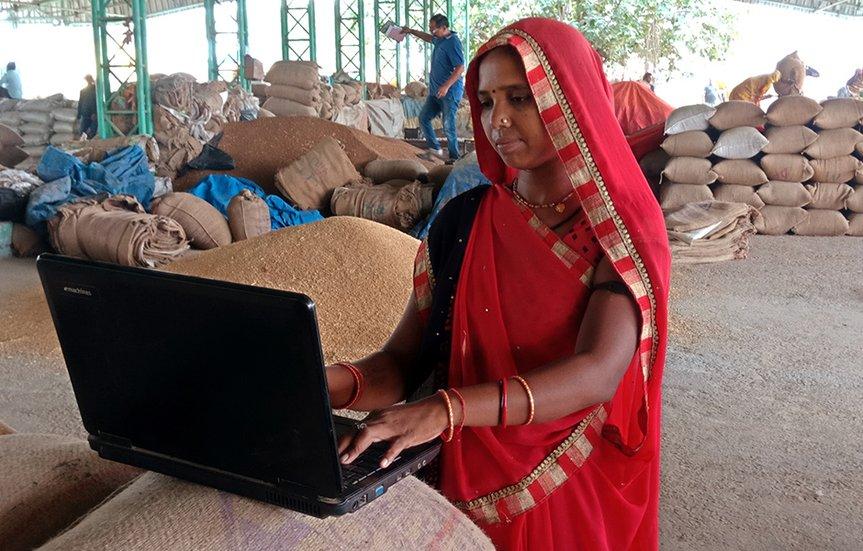
Guinea-Bissau’s labor market is largely informal, with most of the population engaged in subsistence agriculture, small-scale trade, and artisanal activities. Formal employment opportunities are limited, especially in urban areas, contributing to high unemployment and underemployment rates. The country’s taxation system is evolving but remains underdeveloped, with low tax revenue collection posing challenges for public service funding. Recent government efforts focus on modernizing tax administration and broadening the tax base to improve fiscal stability and support economic growth.
Transportation and telecommunications
Guinea-Bissau’s transportation network is limited, with just over 4,400 km of roads only a fraction paved and no railway system. The main seaport in Bissau operates with limited capacity, while air travel relies on Osvaldo Vieira International Airport, offering modest international connections.
In telecommunications, mobile coverage has reached around 70%, driven by providers like Orange and MTN, and internet access is slowly improving through new fiber optic installations and expanded Wi-Fi zones. However, many rural areas still lack reliable service. The government is working to upgrade roads and expand digital infrastructure, aiming to boost economic growth and improve connectivity across the country.